
4-Week Push Pull Legs Strength and Size Plan: Progression Cycle 9
A balanced push, pull and legs plan for building strength and muscle while keeping recovery manageable.
How to use this plan
Follow the days in order, log every working set, and finish each set with one to three good repetitions still available. Use the exercise animations to learn the movement and open the video when you need a full demonstration.
Monday
Push
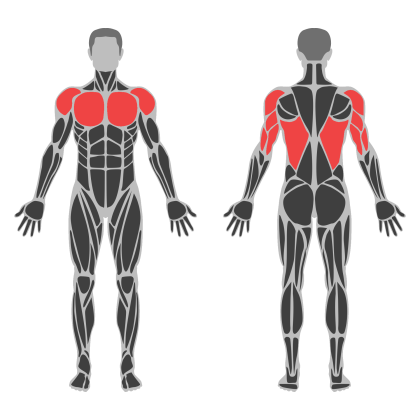
Push muscle focus
Red marks the primary training focus. Orange marks supporting muscle groups used throughout this session.
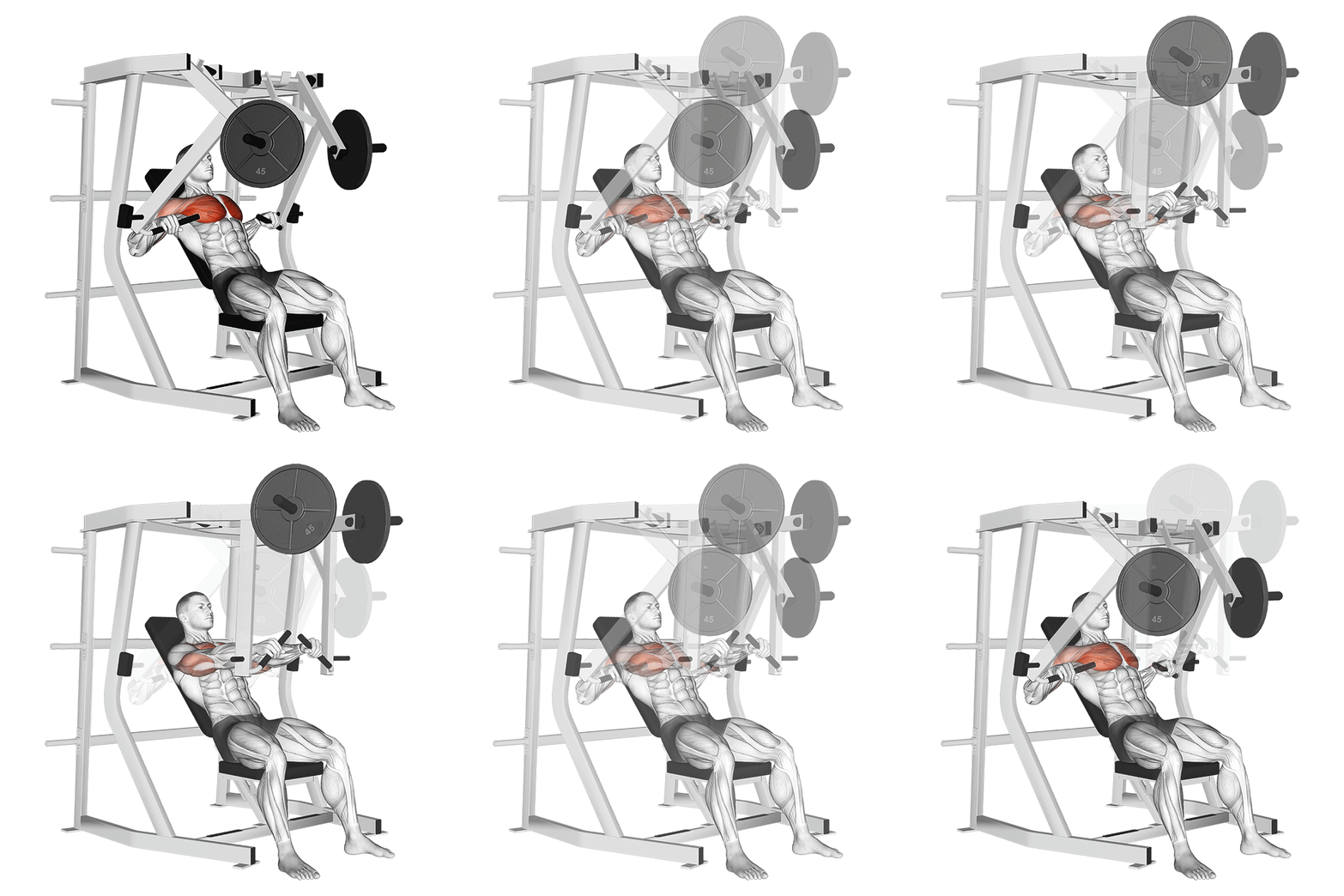
Decline Chest Press
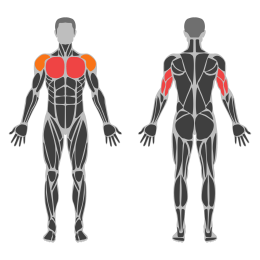
The Decline Chest Press is a compound exercise targeting the lower portion of the pectoral muscles. It involves pressing a weight away from the body while lying on a decline bench, engaging the chest, triceps, and shoulders.
Muscle focus
Step-by-step cues
- Set the bench to a decline angle of about 15-30 degrees.
- Lie back on the bench with your feet secured under the foot pads.
- Grip the barbell with hands slightly wider than shoulder-width apart.
- Unrack the barbell and position it above your lower chest.
- Lower the barbell slowly to your lower chest, keeping elbows at a 45-degree angle to your body.
- Press the barbell back up to the starting position, fully extending your arms without locking your elbows.
- Repeat for the desired number of repetitions.
Technical tips
- Ensure your back remains flat against the bench throughout the exercise.
- Engage your core to maintain stability and control during the movement.
- Avoid flaring your elbows too wide to prevent shoulder strain.
- Control the descent of the barbell to maximize muscle engagement.
- Exhale as you press the barbell up and inhale as you lower it down.
- Start with a lighter weight to perfect your form before increasing resistance.
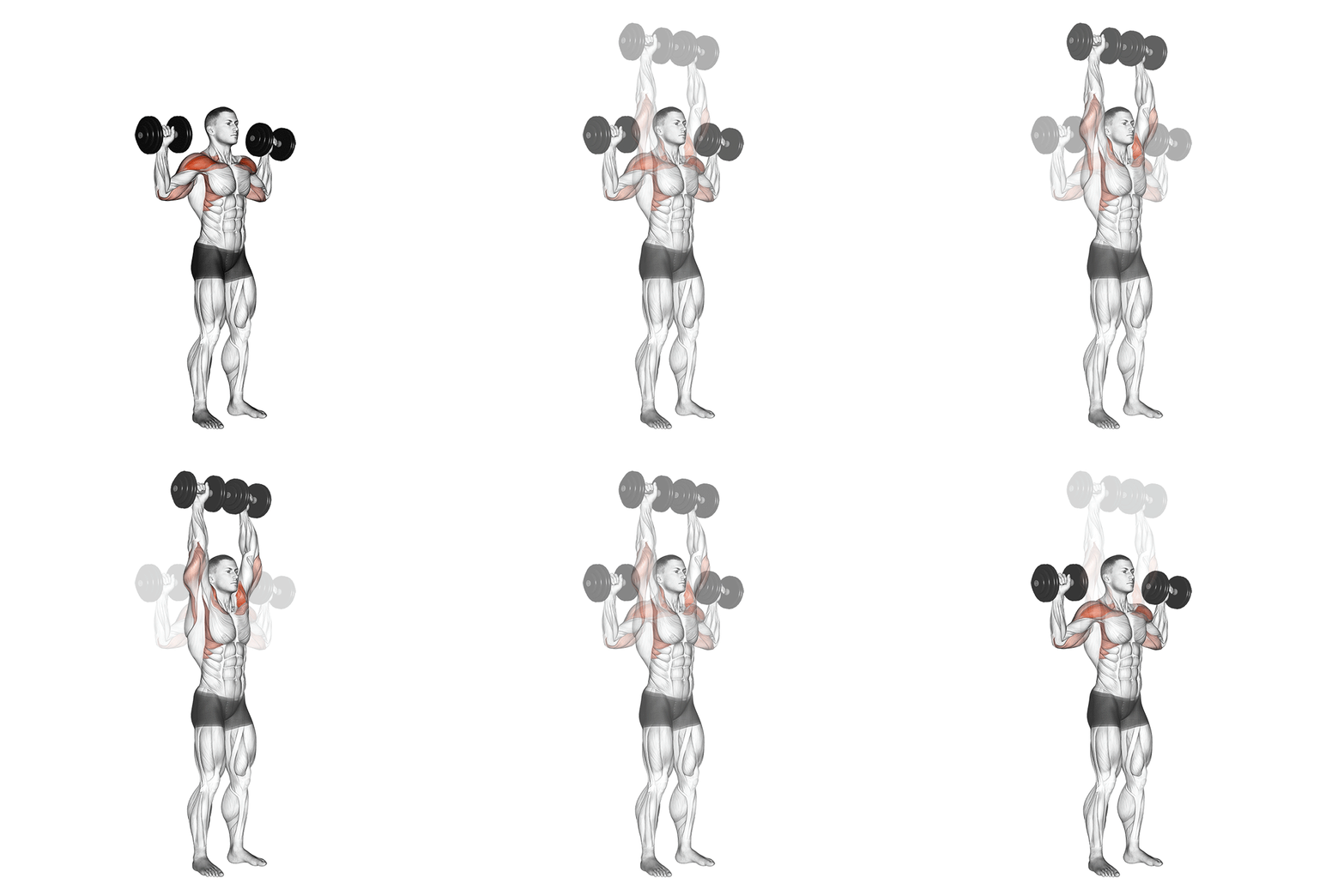
Standing Dumbbell Shoulder Press
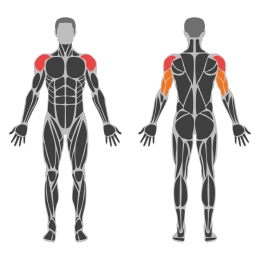
The Standing Dumbbell Shoulder Press is a compound exercise targeting the deltoid muscles, particularly the anterior and medial heads, while also engaging the triceps and upper chest. This exercise enhances shoulder strength, stability, and overall upper body muscle coordination.
Muscle focus
Step-by-step cues
- Stand with your feet shoulder-width apart, holding a dumbbell in each hand at shoulder height with an overhand grip.
- Engage your core to stabilize your body and maintain a neutral spine throughout the movement.
- Press the dumbbells upward until your arms are fully extended overhead, keeping your elbows slightly bent to avoid locking them out.
- Pause briefly at the top of the movement, ensuring that the dumbbells are directly above your shoulders.
- Slowly lower the dumbbells back to the starting position at shoulder height, maintaining control throughout the descent.
- Repeat for the desired number of repetitions.
Technical tips
- Keep your core tight to prevent excessive arching of your lower back during the press.
- Focus on a controlled tempo, both when pressing up and lowering the weights down.
- Ensure that your wrists remain straight and aligned with your forearms to reduce strain.
- Avoid flaring your elbows too far out to the sides; keep them slightly forward to protect your shoulder joints.
- Breath out as you press the weights up and inhale as you lower them down.
- Start with lighter weights to master proper form before progressing to heavier loads.
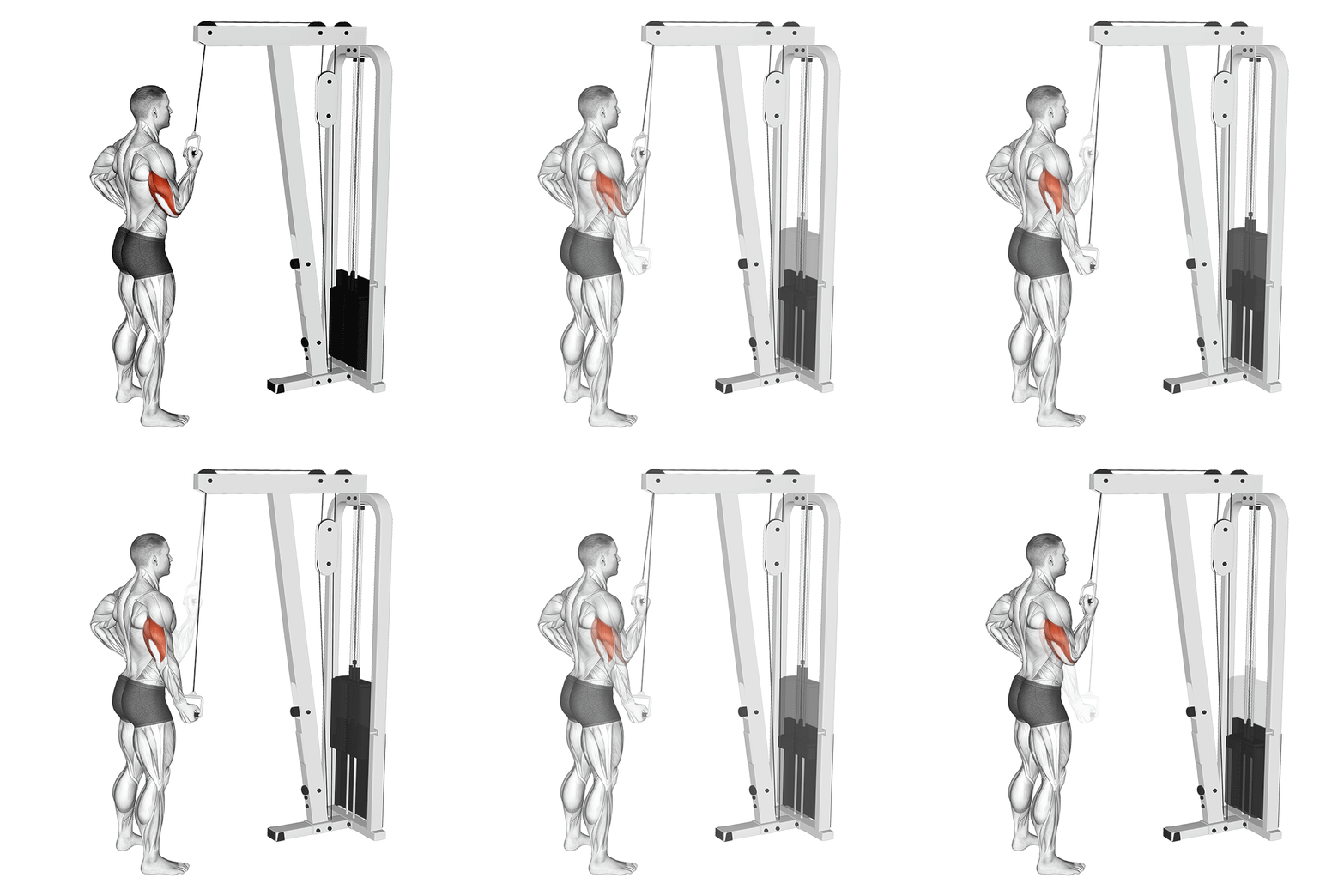
One-Arm Reverse Grip Triceps Cable Pushdown
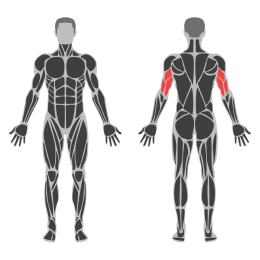
The Triceps Single Arm Cable Pushdown Reverse Grip is an isolation exercise targeting the triceps brachii, particularly emphasizing the long head. This exercise involves using a cable machine with a single handle attachment, allowing for a reverse grip that engages the triceps differently compared to traditional pushdowns.
Muscle focus
Step-by-step cues
- Attach a single handle to a high pulley on the cable machine.
- Stand facing the machine, grasp the handle with an underhand grip (palm facing up) using one hand.
- Position your feet shoulder-width apart, and slightly bend your knees for stability.
- Keep your upper arm close to your body and your elbow fixed at your side.
- Start with your forearm parallel to the floor, then extend your arm downward by contracting your triceps.
- Pause briefly at the bottom of the movement, ensuring full extension of the elbow.
- Slowly return to the starting position with control, keeping tension on the triceps throughout.
- Complete the desired number of repetitions before switching arms.
Technical tips
- Maintain a neutral spine and avoid leaning forward or backward during the exercise.
- Focus on keeping your elbow stationary; only your forearm should move.
- Use a lighter weight initially to master the form and prevent strain on the elbow joint.
- Engage your core muscles to maintain balance and stability throughout the movement.
- Exhale as you push down and inhale as you return to the starting position.
- Keep movements slow and controlled to maximize muscle engagement and reduce injury risk.
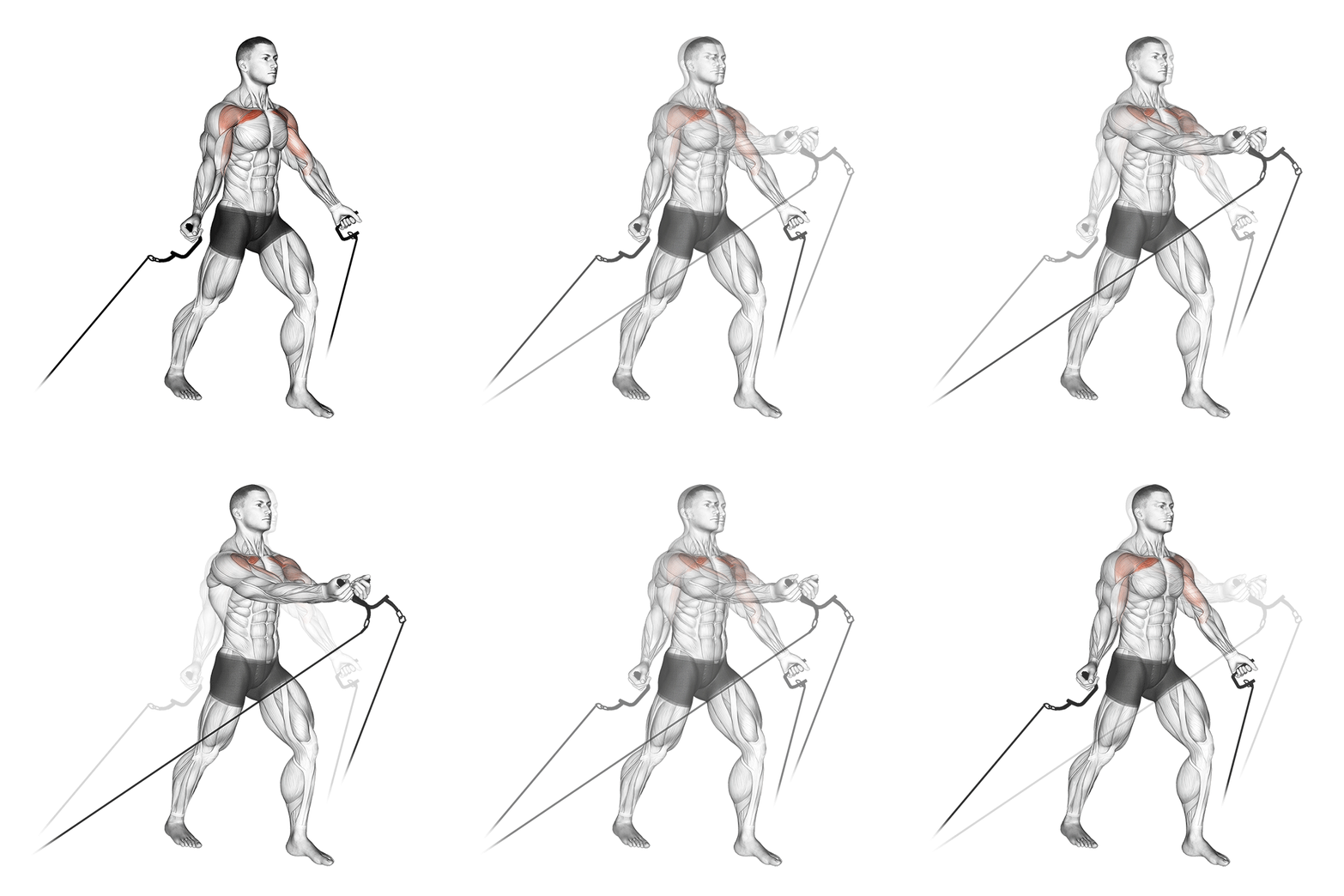
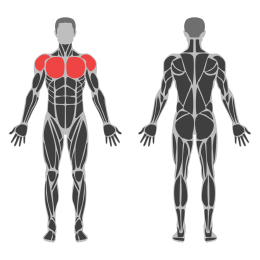
Low High Cable Chest Fly
The Low High Cable Chest Fly is an isolation exercise targeting the pectoral muscles. It involves using a cable machine to perform a fly motion from a low to high angle, emphasizing the upper portion of the chest. This exercise helps in developing chest definition and strength.
Muscle focus
Step-by-step cues
- Set the cable pulleys to the lowest position on the machine.
- Attach handles to each pulley and stand in the center, holding one handle in each hand.
- Step forward slightly with one foot for stability, keeping your back straight and core engaged.
- Start with your arms down and slightly bent at the elbows, palms facing up.
- Exhale and bring your arms upward and together in an arc motion until they meet at shoulder height.
- Squeeze your chest muscles at the top of the movement.
- Inhale and slowly return to the starting position, maintaining control throughout.
- Repeat for the desired number of repetitions.
Technical tips
- Keep a slight bend in your elbows throughout the exercise to reduce strain on the joints.
- Focus on squeezing your chest muscles at the top of the movement for maximum contraction.
- Maintain a controlled motion; avoid using momentum to lift the weights.
- Ensure your shoulders remain down and back to prevent unnecessary strain.
- Adjust your stance if needed to maintain balance and stability during the exercise.
- Start with a lighter weight to master form before increasing resistance.
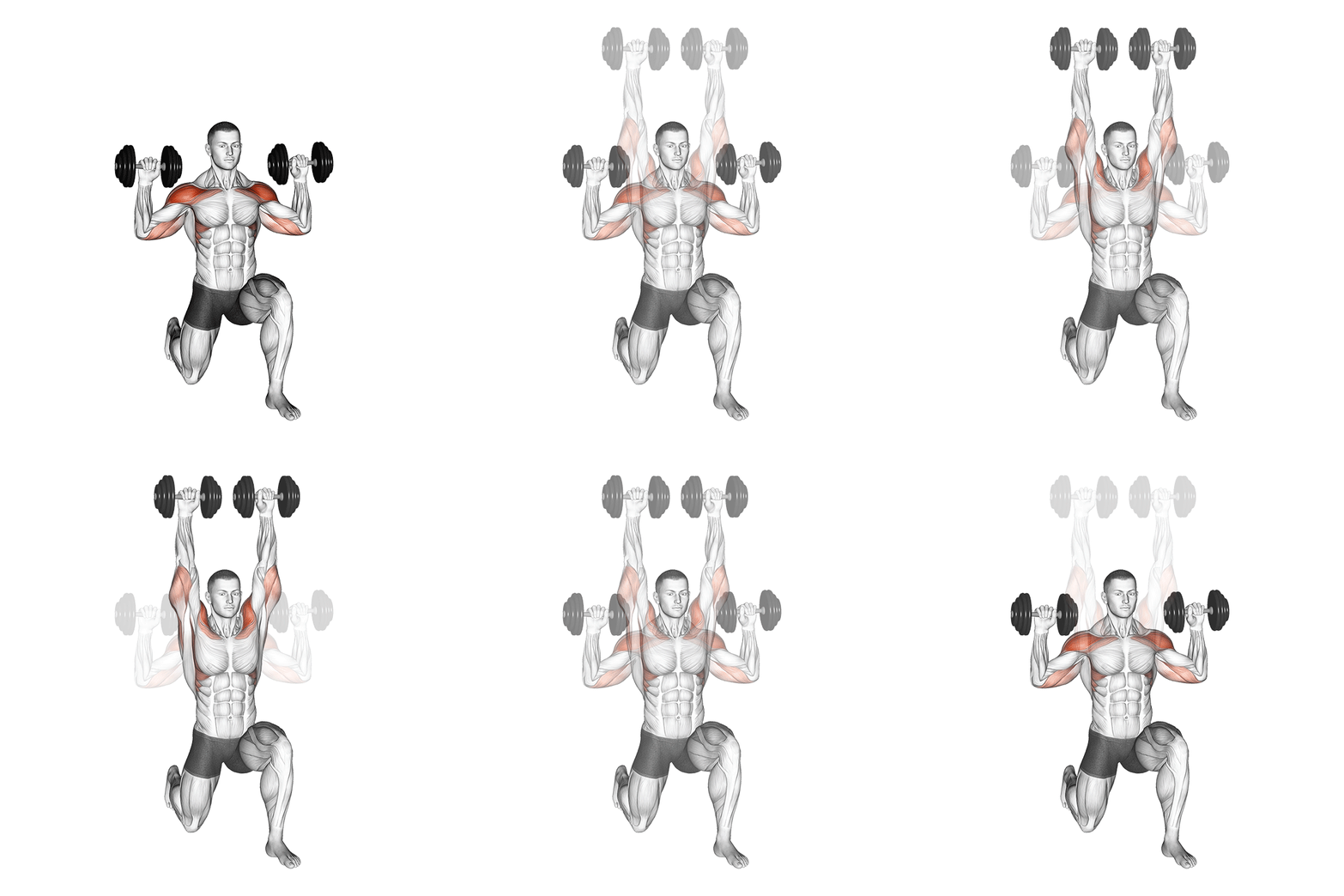
Dumbbell Half Kneeling Shoulder Press
The Dumbbell Half Kneeling Shoulder Press is an exercise that targets the deltoids, triceps, and core. It involves pressing a dumbbell overhead while in a half-kneeling position, which helps improve shoulder stability and core engagement.
Muscle focus
Step-by-step cues
- Begin by kneeling on the floor with your right knee down and left foot flat on the ground in front of you, forming a 90-degree angle with your left knee.
- Hold a dumbbell in your right hand at shoulder height with your palm facing forward.
- Engage your core to maintain an upright torso and stabilize your position.
- Press the dumbbell overhead by extending your arm fully, keeping your wrist straight and aligned with your shoulder.
- Slowly lower the dumbbell back to the starting position at shoulder height.
- Complete the desired number of repetitions, then switch sides to perform the exercise with your left knee down and right foot forward.
Technical tips
- Keep your core tight throughout the movement to prevent arching of the lower back.
- Ensure that your front foot is firmly planted on the ground for stability.
- Maintain a neutral spine by keeping your head aligned with your spine and looking straight ahead.
- Avoid shrugging your shoulders as you press; keep them down and away from your ears.
- Control the movement on both the upward and downward phases to maximize muscle engagement.
- Start with a lighter weight to master form before progressing to heavier dumbbells.
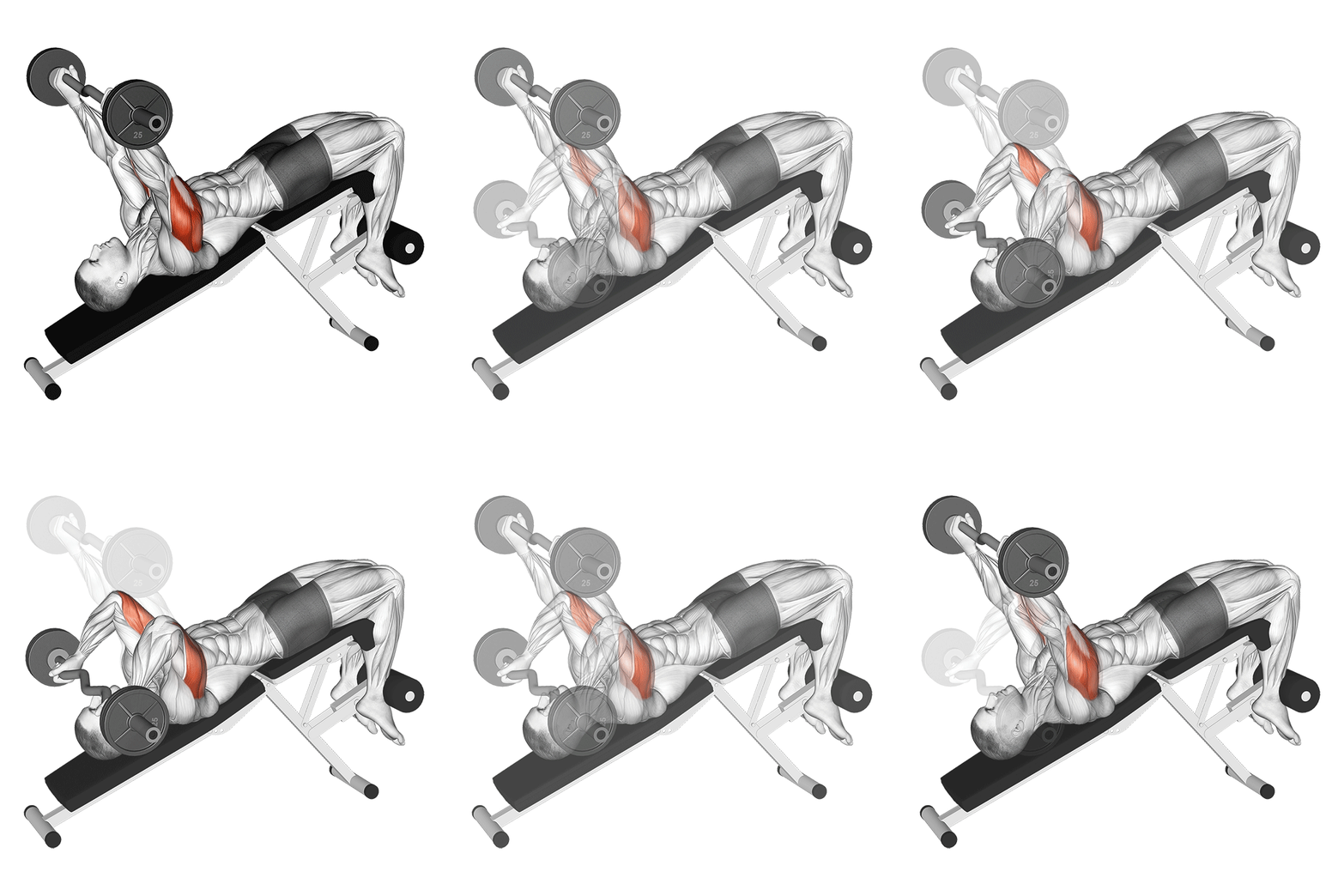
Decline Barbell French Press
The Decline Barbell French Press is an isolation exercise targeting the triceps brachii. Performed on a decline bench, this exercise emphasizes the long head of the triceps by increasing the range of motion and providing a unique angle of resistance. It is effective for building tricep mass and strength.
Muscle focus
Step-by-step cues
- Set a decline bench at a moderate angle and secure your feet under the foot pads.
- Lie back on the bench with your head lower than your feet, ensuring your back is supported.
- Grip a barbell with a shoulder-width, overhand grip (palms facing away from you).
- Extend your arms fully above your chest, keeping a slight bend in your elbows to maintain tension.
- Inhale and slowly lower the barbell towards your forehead by bending your elbows, keeping your upper arms stationary.
- Pause briefly when the barbell is just above your forehead or slightly behind it.
- Exhale and press the barbell back to the starting position by extending your elbows, focusing on contracting your triceps.
- Repeat for the desired number of repetitions while maintaining control throughout the movement.
Technical tips
- Keep your elbows close to your head throughout the movement to maximize tricep engagement.
- Avoid flaring your elbows out to prevent shoulder strain and maintain focus on the triceps.
- Control the descent of the barbell to avoid hitting your forehead and ensure muscle tension is maintained.
- Use a spotter if lifting heavy to ensure safety and proper form.
- Warm up thoroughly before performing this exercise to prevent elbow joint strain.
- Focus on slow, controlled movements rather than using momentum to lift the weight.
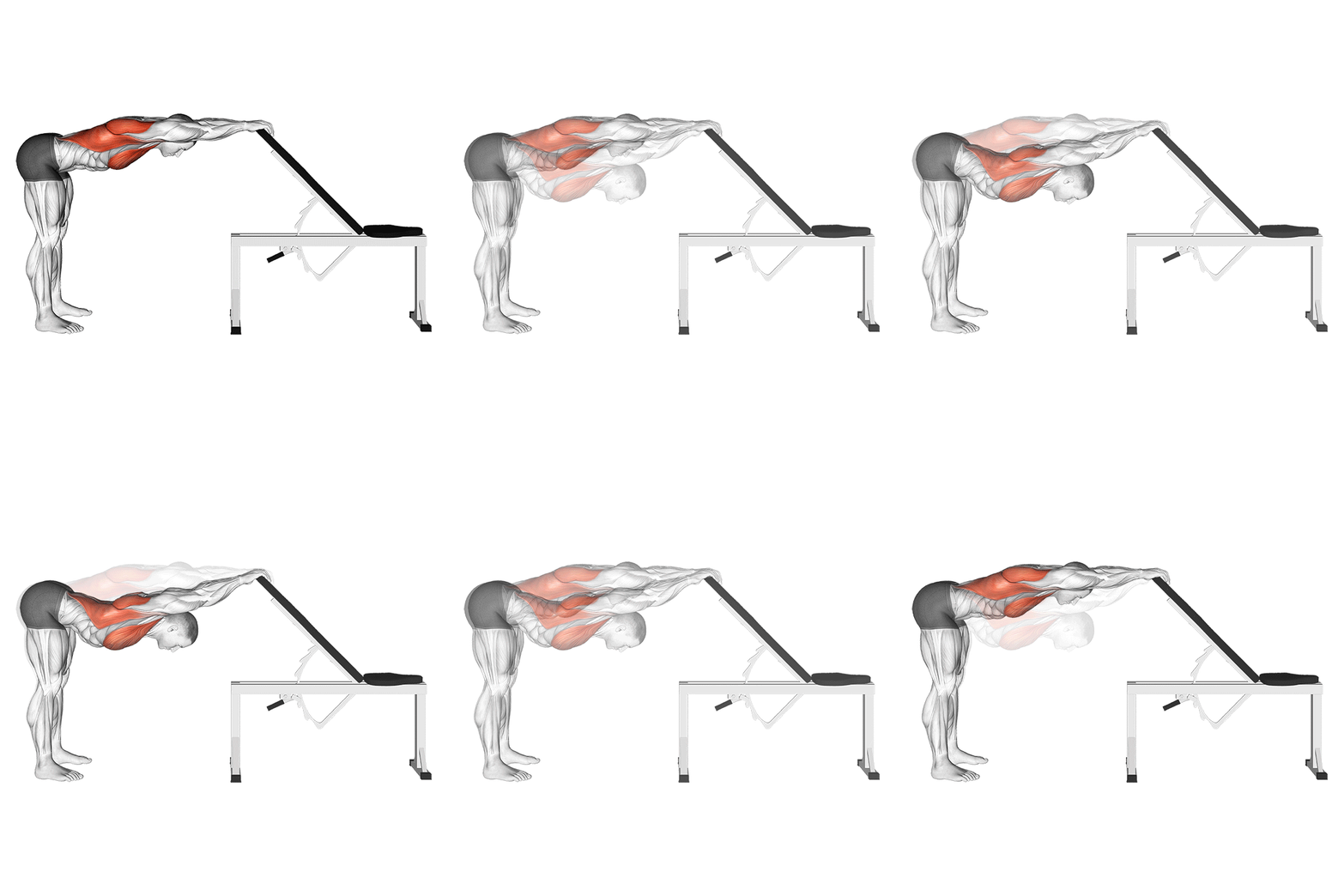
Standing Downward Dog
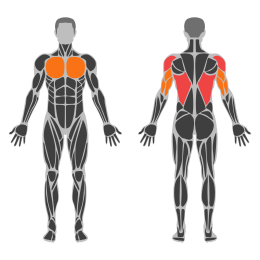
The Standing Downward Dog is a variation of the traditional Downward Dog yoga pose, performed while standing. It primarily targets the shoulders, hamstrings, calves, and back muscles, promoting flexibility and strength. This exercise is beneficial for improving posture and relieving tension in the upper body.
Muscle focus
Step-by-step cues
- Stand with your feet hip-width apart and arms at your sides.
- Inhale deeply and raise your arms overhead, keeping them straight.
- Exhale and hinge forward at the hips, lowering your torso until your hands reach the floor or a stable surface like a block.
- Keep your legs straight but not locked, allowing a slight bend in the knees if necessary.
- Press your palms firmly into the ground or surface, spreading your fingers wide.
- Extend your spine and push your hips upward and back, forming an inverted 'V' shape with your body.
- Hold the position for several breaths, maintaining even breathing.
- To release, slowly walk your hands back towards your feet and roll up to standing.
Technical tips
- Engage your core muscles to support your lower back during the movement.
- Focus on lengthening your spine rather than forcing your heels to touch the ground.
- If you have tight hamstrings, bend your knees slightly to maintain proper form.
- Keep your head between your arms and gaze towards your feet to avoid neck strain.
- Use yoga blocks under your hands if you cannot comfortably reach the floor.
- Maintain even weight distribution between hands and feet to prevent overloading any single area.
Tuesday
Pull
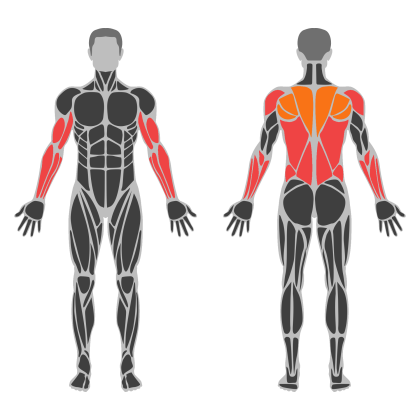
Pull muscle focus
Red marks the primary training focus. Orange marks supporting muscle groups used throughout this session.
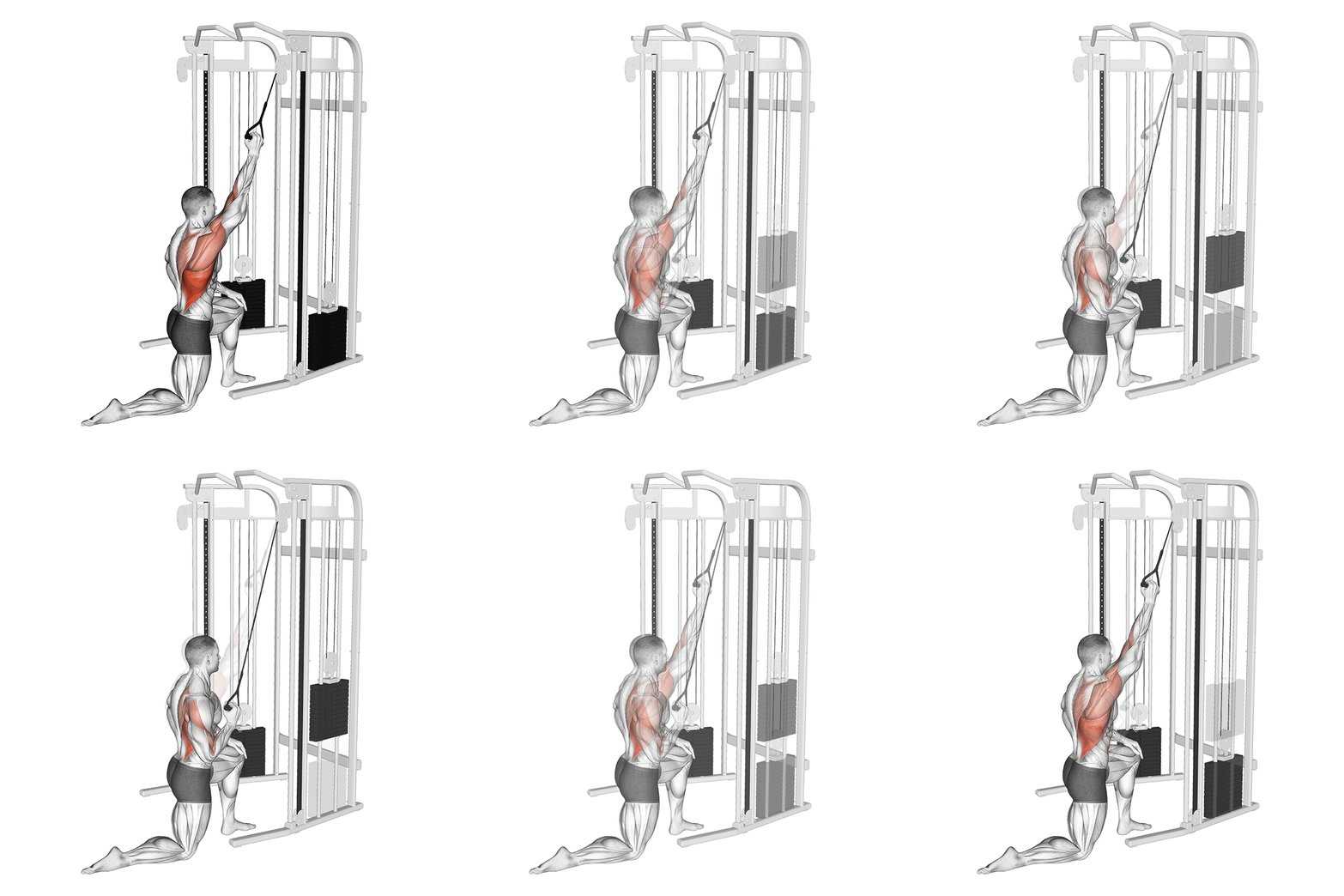
One-Arm Cable Half-Kneeling Lat Pulldown
The One-Arm Half-Kneeling Cable Lat Pulldown targets the latissimus dorsi, promoting unilateral strength and stability. This exercise engages the core, improves shoulder mobility, and enhances muscle symmetry by isolating each side of the back.
Muscle focus
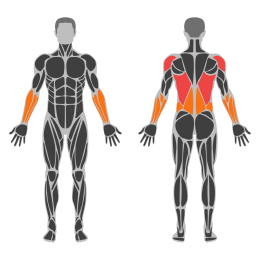
Step-by-step cues
- Set the cable machine to a high position and attach a single handle.
- Kneel on one knee with the opposite foot flat on the floor, ensuring your torso is upright.
- Grasp the handle with your arm fully extended overhead, palm facing forward.
- Engage your core and pull the handle down towards your shoulder, keeping your elbow close to your body.
- Pause briefly at the bottom of the movement, feeling the contraction in your lat.
- Slowly return to the starting position, maintaining control throughout.
- Complete the desired number of repetitions before switching sides.
Technical tips
- Ensure your back remains straight and avoid leaning forward or backward during the exercise.
- Focus on pulling with your back muscles rather than your arm to maximize lat engagement.
- Maintain a neutral wrist position to avoid unnecessary strain.
- Keep your movements slow and controlled to enhance muscle activation and prevent injury.
- Breathe out as you pull down and inhale as you return to the starting position.
- Adjust the weight so that you can perform each repetition with proper form.
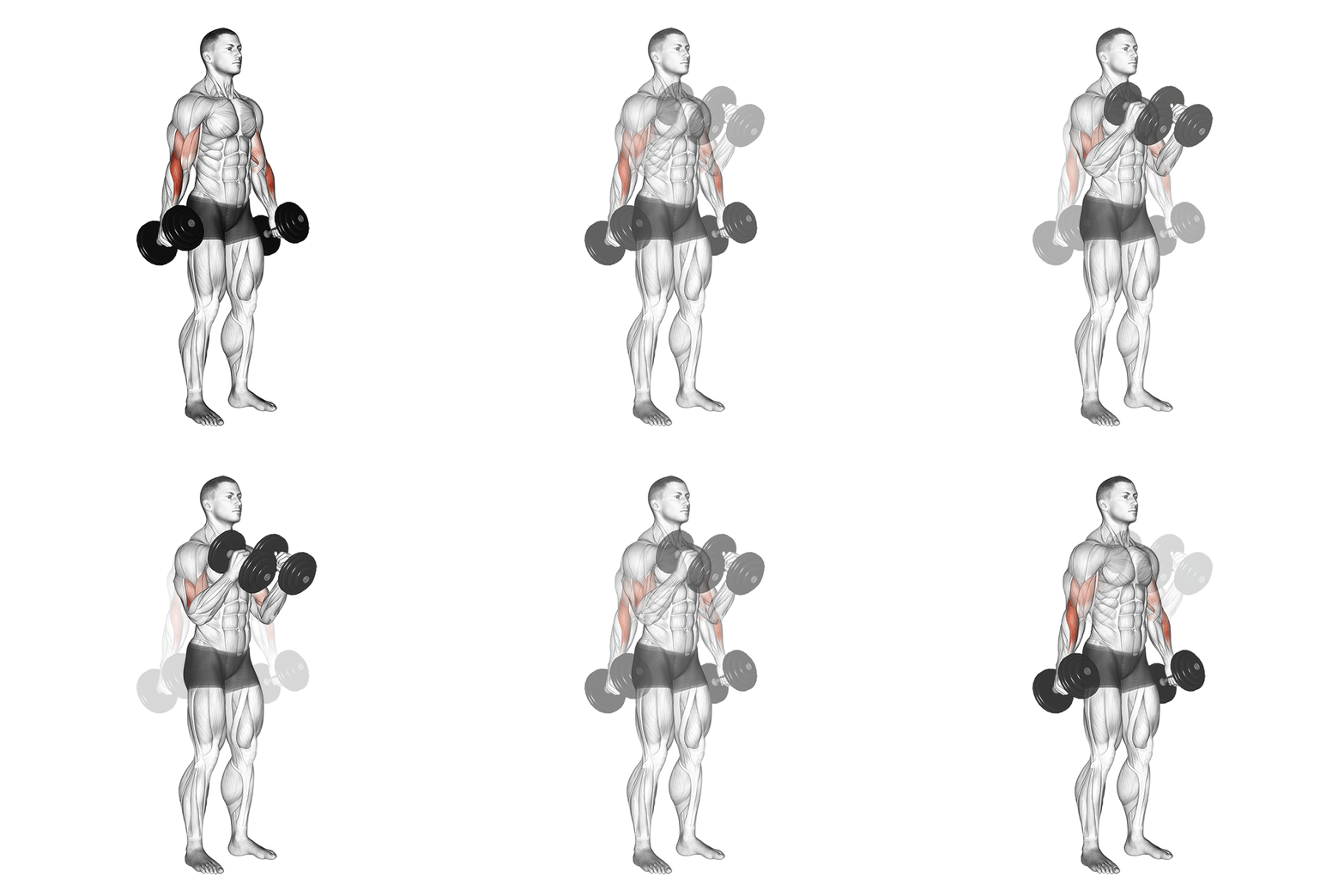
Dumbbell Hammer Curl
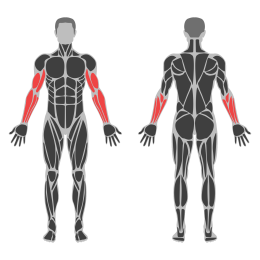
The Dumbbell Hammer Curl is an isolation exercise targeting the brachialis, brachioradialis, and biceps brachii muscles. It is performed with dumbbells and involves a neutral grip, which emphasizes the forearms and the outer head of the biceps.
Muscle focus
Step-by-step cues
- Stand upright with your feet shoulder-width apart and hold a dumbbell in each hand with a neutral grip, palms facing each other.
- Keep your elbows close to your torso and your back straight.
- Curl the weights by bending your elbows, keeping your upper arms stationary.
- Continue lifting until your forearms are vertical or slightly past vertical.
- Pause briefly at the top of the movement, squeezing your biceps.
- Slowly lower the dumbbells back to the starting position, fully extending your arms.
- Repeat for the desired number of repetitions.
Technical tips
- Maintain a controlled motion throughout the exercise to maximize muscle engagement.
- Avoid swinging the weights or using momentum to lift them.
- Keep your wrists straight and avoid bending them during the curl.
- Focus on squeezing your biceps at the top of each repetition for maximum contraction.
- Ensure that your elbows remain tucked in close to your body to isolate the biceps effectively.
- Start with lighter weights to perfect your form before progressing to heavier loads.
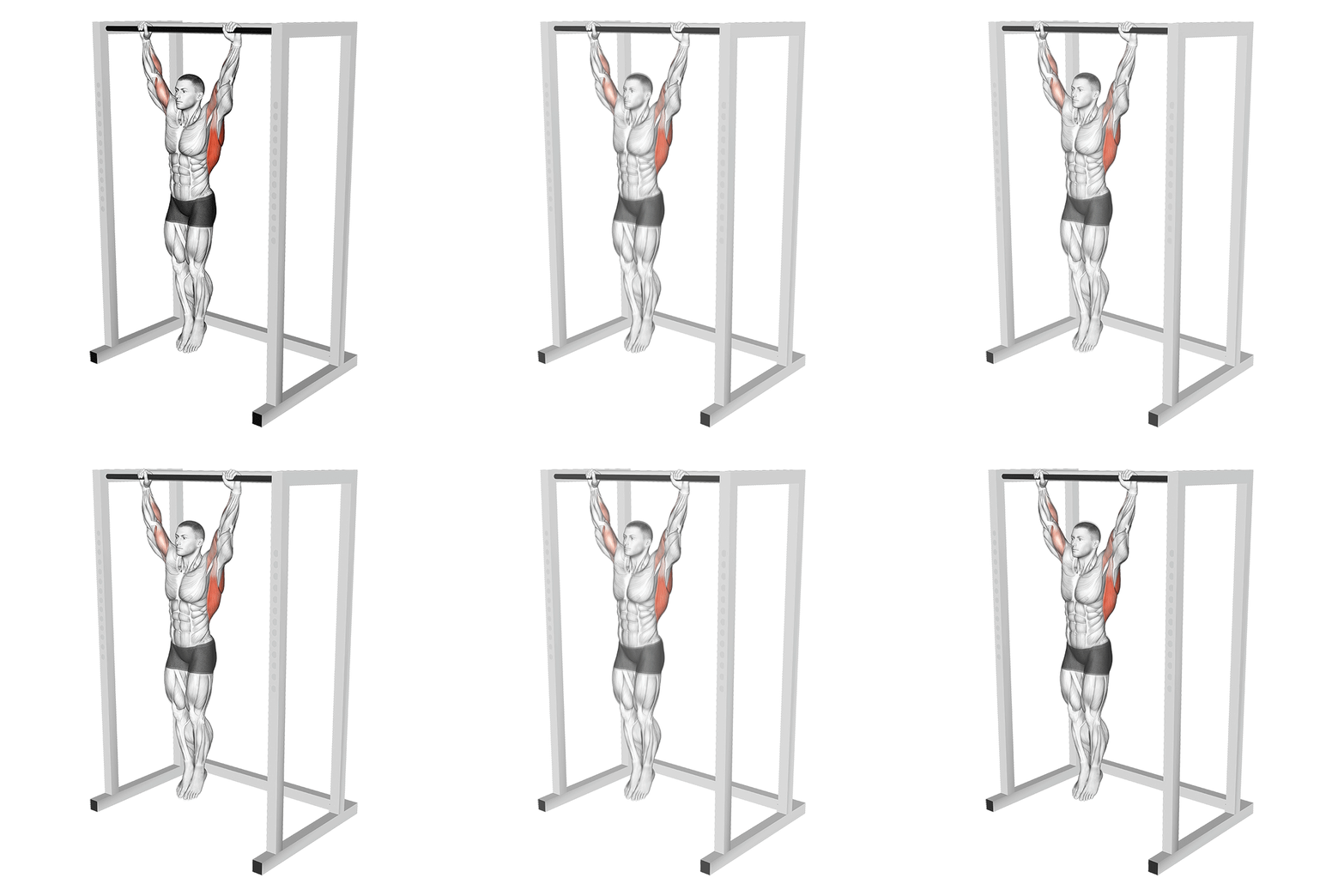
Dead Hang
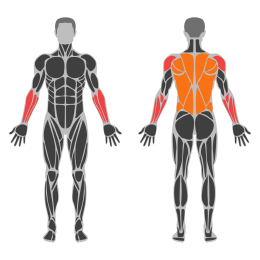
The Dead Hang is a simple yet effective exercise that involves hanging from a pull-up bar with your arms fully extended. This exercise primarily targets the grip strength and can also help in decompressing the spine, improving shoulder mobility, and enhancing overall upper body endurance.
Muscle focus
Step-by-step cues
- Find a sturdy pull-up bar and ensure it can support your weight.
- Stand below the bar, reach up, and grasp it with an overhand grip, hands shoulder-width apart.
- Lift your feet off the ground by bending your knees or crossing your ankles.
- Allow your body to hang freely with arms fully extended and shoulders engaged.
- Keep your core tight and avoid swinging or excessive movement.
- Hold this position for as long as you can maintain proper form.
Technical tips
- Ensure your grip is firm but not overly tense to avoid premature fatigue.
- Engage your shoulder blades by slightly retracting them to stabilize your position.
- Focus on breathing steadily throughout the exercise to maintain endurance.
- Start with shorter durations and gradually increase the time as your grip strength improves.
- Avoid shrugging your shoulders up towards your ears; keep them down and relaxed.
- If new to this exercise, consider using wrist straps for additional support.
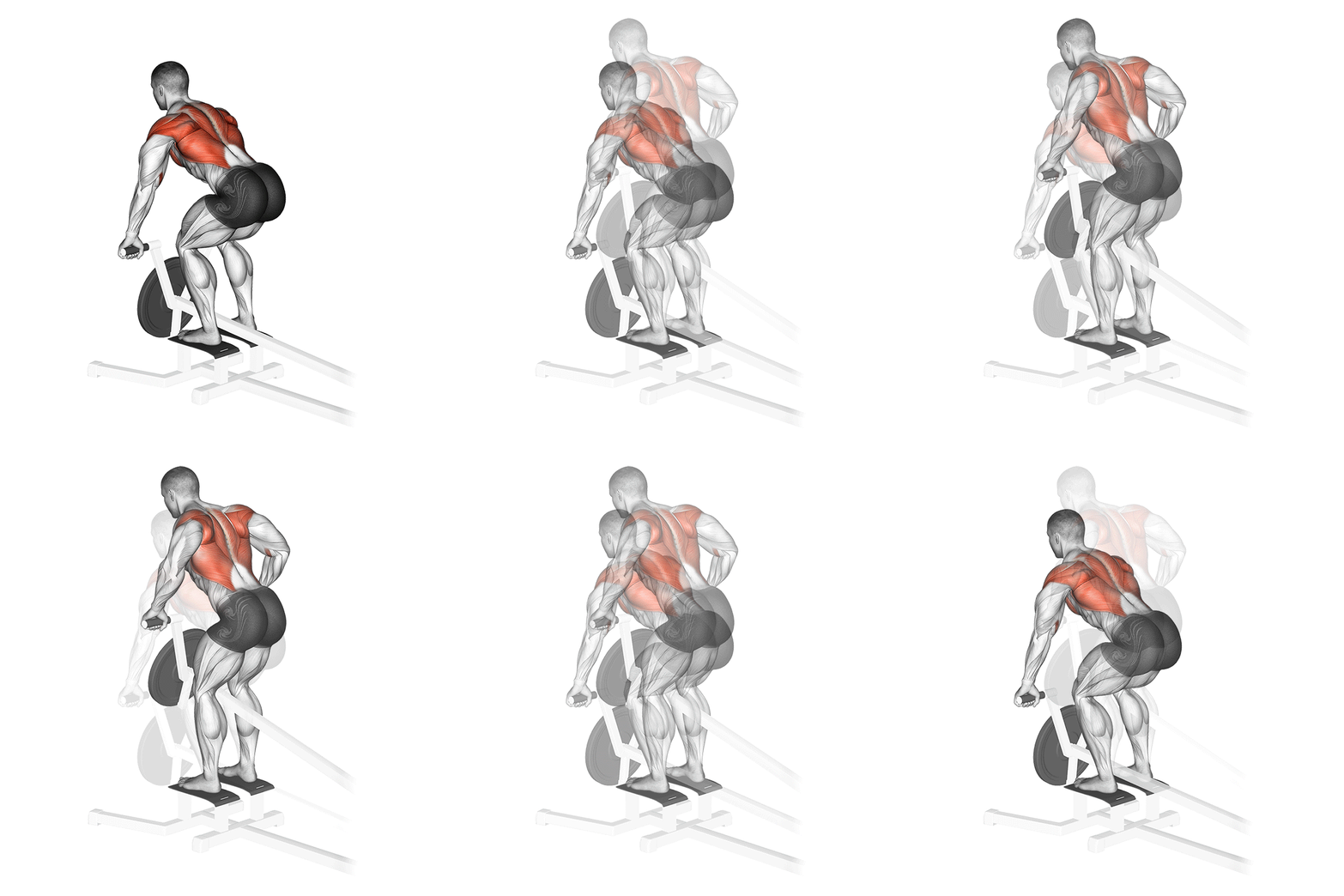
T-Bar Bent Over Row
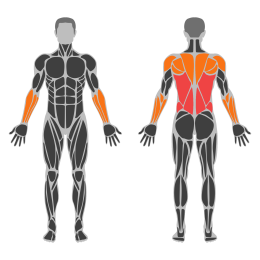
The T-Bar Bent Over Row is a compound exercise targeting the muscles of the back, including the latissimus dorsi, rhomboids, and trapezius. It also engages the biceps and core for stabilization. This exercise is performed using a T-bar row machine or a barbell with a landmine attachment.
Muscle focus
Step-by-step cues
- Load the desired weight onto the T-bar or barbell.
- Stand with your feet shoulder-width apart, knees slightly bent.
- Hinge at the hips to bend forward, keeping your back straight and chest up.
- Grip the handles of the T-bar or barbell with both hands, palms facing each other.
- Engage your core and pull the weight towards your lower chest by retracting your shoulder blades.
- Pause briefly at the top of the movement, squeezing your back muscles.
- Slowly lower the weight back to the starting position while maintaining control.
- Repeat for the desired number of repetitions.
Technical tips
- Keep your back straight and avoid rounding your shoulders to prevent injury.
- Focus on pulling with your back muscles rather than your arms to maximize effectiveness.
- Maintain a slight bend in your knees to support your lower back.
- Control the weight throughout the movement to ensure proper form and muscle engagement.
- Breathe out as you pull the weight up and inhale as you lower it down.
- Start with a lighter weight to master form before progressing to heavier loads.
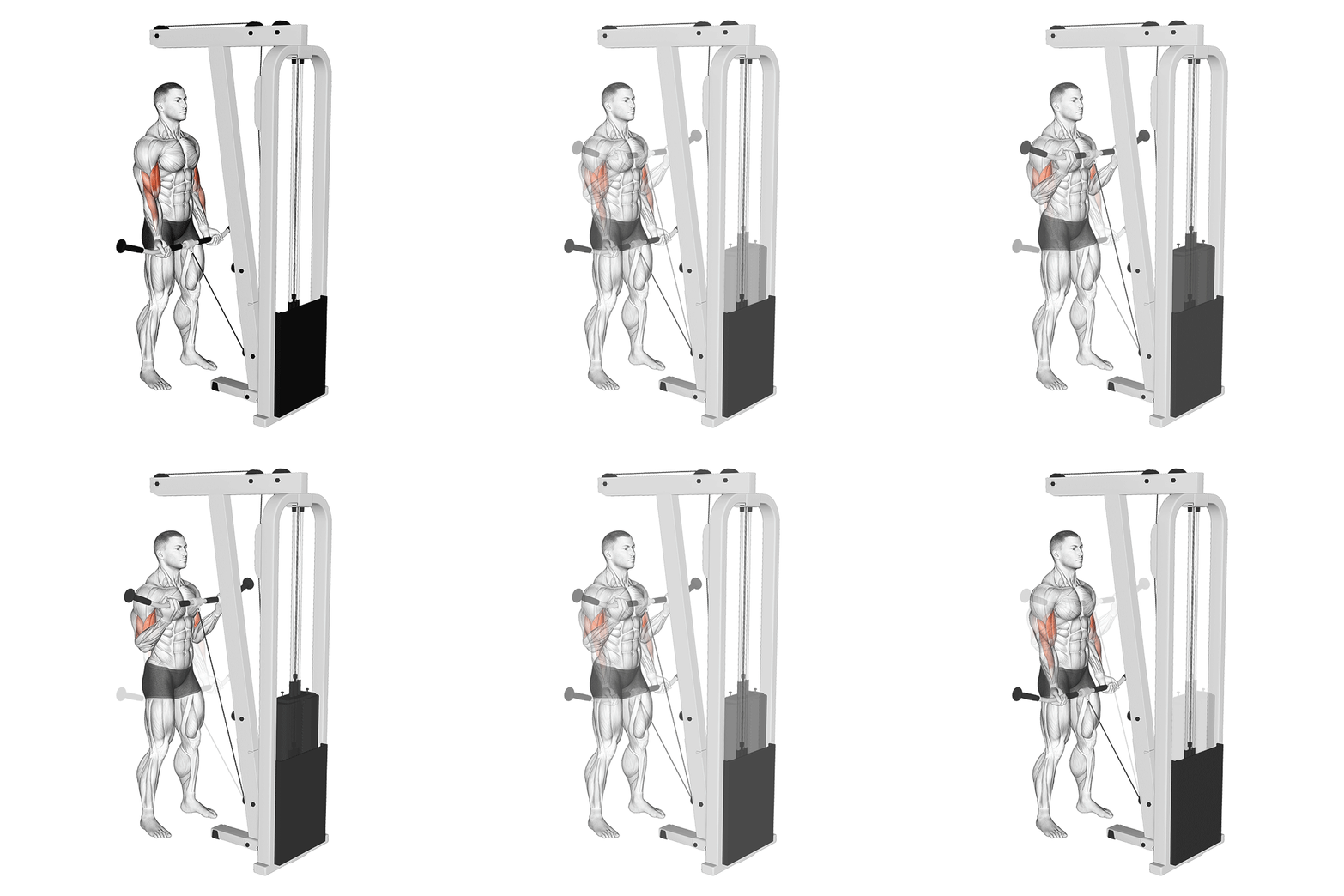
Bar Cable Biceps Curl
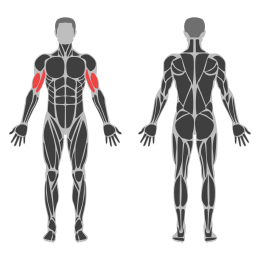
The Bar Cable Biceps Curl is an isolation exercise targeting the biceps brachii, utilizing a cable machine to maintain constant tension throughout the movement. This exercise is effective for building bicep strength and size, and it allows for a controlled range of motion.
Muscle focus
Step-by-step cues
- Attach a straight or EZ-curl bar to the low pulley of a cable machine.
- Stand facing the machine with feet shoulder-width apart.
- Grasp the bar with an underhand grip, hands shoulder-width apart.
- Keep your elbows close to your torso and your back straight.
- Exhale and curl the bar towards your shoulders by flexing your elbows.
- Pause briefly at the top of the movement, ensuring maximum contraction.
- Inhale and slowly lower the bar back to the starting position, fully extending your arms.
Technical tips
- Maintain a steady posture and avoid swinging your body to lift the weight.
- Focus on using only your biceps to move the weight; keep your shoulders relaxed.
- Control the movement during both the lifting and lowering phases to maximize muscle engagement.
- Adjust the weight so you can perform the exercise with proper form for all repetitions.
- Keep your wrists straight to avoid unnecessary strain and ensure effective targeting of the biceps.
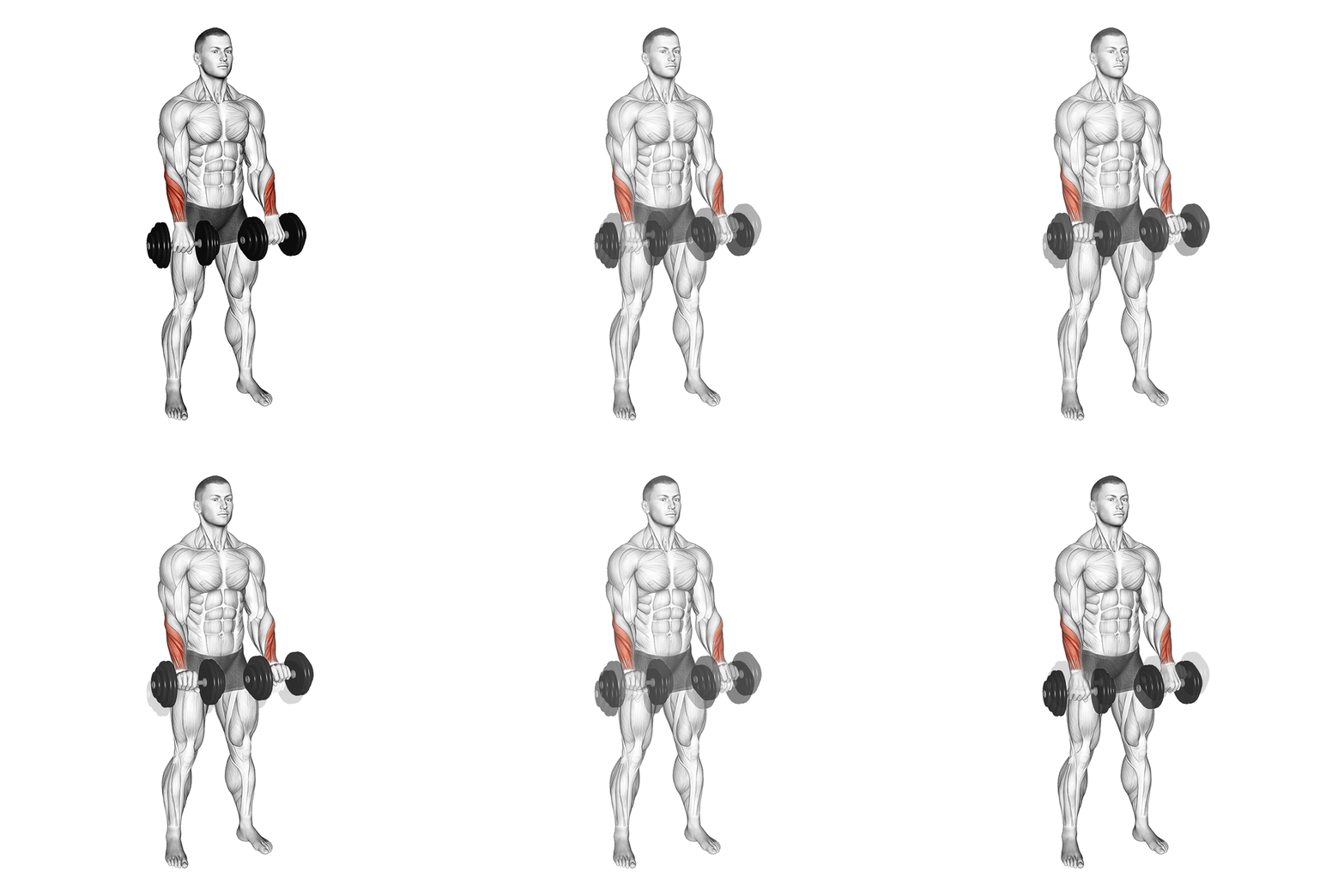
Dumbbell Standing Reverse Wrist Curls
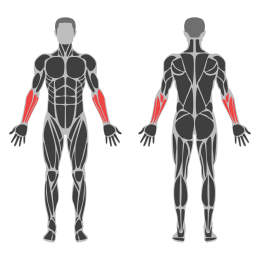
The Dumbbell Standing Reverse Wrist Curl is an isolation exercise targeting the forearm extensor muscles. This exercise helps in improving grip strength and wrist stability, which are crucial for various upper body movements.
Muscle focus
Step-by-step cues
- Stand upright with your feet shoulder-width apart, holding a dumbbell in each hand with an overhand grip.
- Keep your arms close to your body and extend them fully downward, with your palms facing your thighs.
- While keeping your elbows stationary, curl your wrists upwards by contracting your forearm extensors.
- Hold the top position for a brief moment, ensuring maximum contraction.
- Slowly lower the dumbbells back to the starting position by extending your wrists.
- Repeat for the desired number of repetitions.
Technical tips
- Start with a light weight to ensure proper form and avoid straining your wrists.
- Focus on moving only your wrists; keep the rest of your arms stationary.
- Maintain a controlled motion throughout the exercise to maximize muscle engagement.
- Breathe steadily, exhaling as you curl the wrists upwards and inhaling as you return to the starting position.
- Ensure that your grip on the dumbbells is firm but not overly tight to prevent unnecessary tension in the hands.
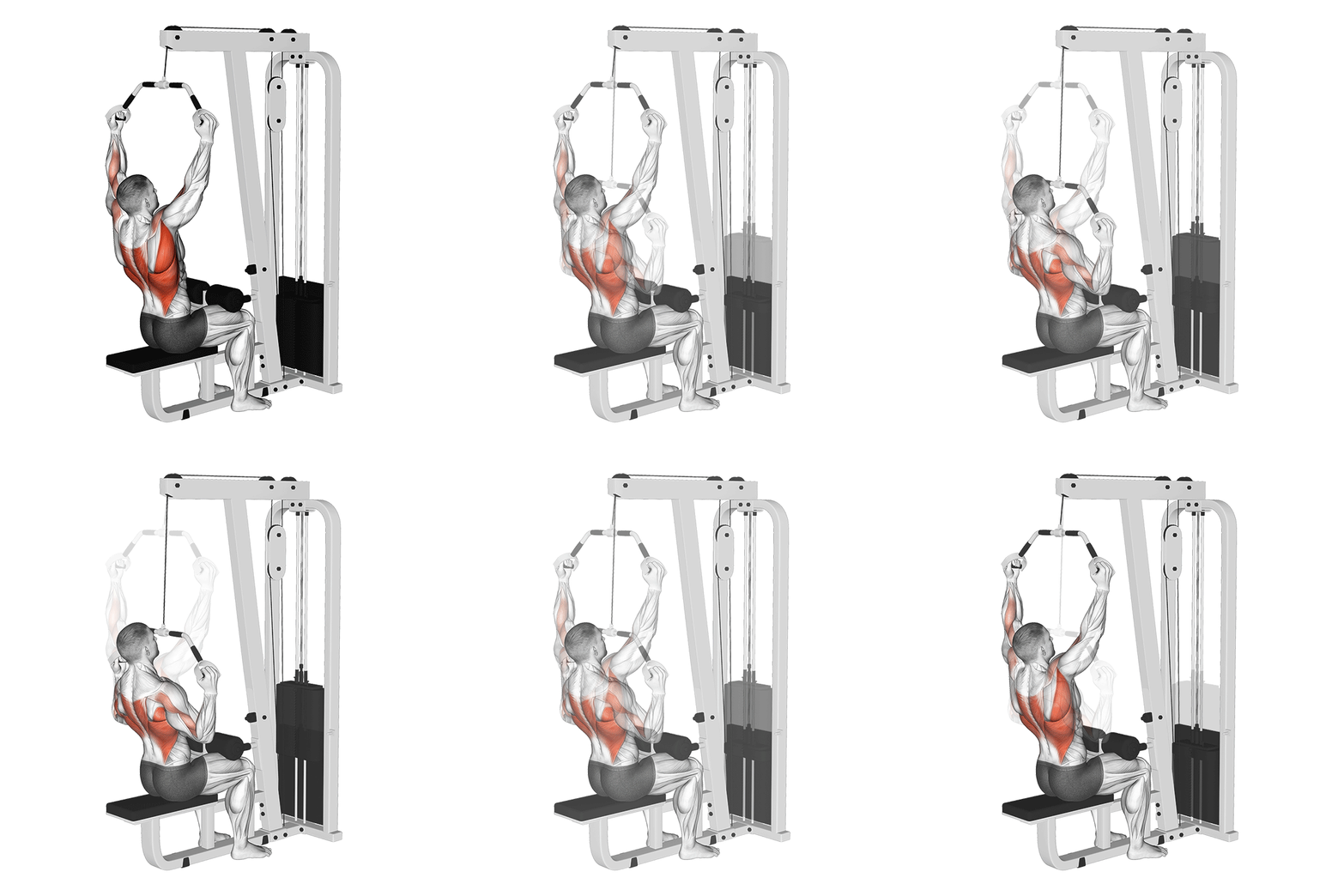
Cable Neutral Grip Lat Pulldown
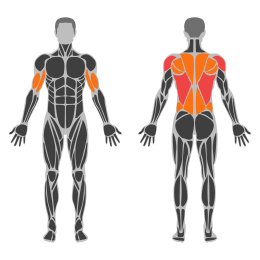
The Cable Wide Neutral Grip Lat Pulldown targets the latissimus dorsi muscles, along with the biceps, shoulders, and upper back. This exercise is performed using a cable machine with a wide neutral grip attachment, allowing for a natural hand position that reduces strain on the wrists and shoulders while effectively engaging the back muscles.
Muscle focus
Step-by-step cues
- Sit at a cable pulldown machine and adjust the knee pad to secure your legs.
- Attach a wide neutral grip handle to the high pulley.
- Grasp the handle with palms facing each other, arms fully extended overhead.
- Lean back slightly at the hips, keeping your chest up and core engaged.
- Pull the handle down towards your upper chest by driving your elbows down and back.
- Squeeze your shoulder blades together at the bottom of the movement.
- Slowly extend your arms back to the starting position under control.
- Repeat for the desired number of repetitions.
Technical tips
- Maintain a slight arch in your lower back throughout the exercise to protect your spine.
- Focus on pulling with your elbows rather than your hands to better engage the lats.
- Avoid using momentum; control the movement both on the way down and up.
- Keep your shoulders down and away from your ears to prevent unnecessary tension.
- Ensure a full range of motion by fully extending your arms at the top of each rep.
- Breathe out as you pull down and inhale as you return to the starting position.
Wednesday
Recovery
Walk for 30 minutes and use gentle upper-body mobility.
Thursday
Legs
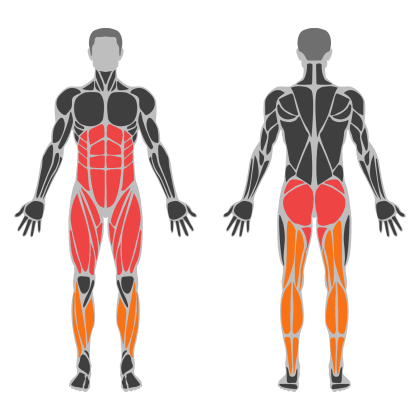
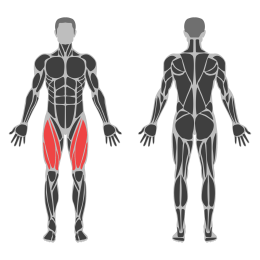
Legs muscle focus
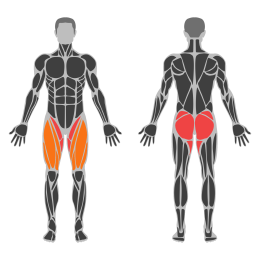
Red marks the primary training focus. Orange marks supporting muscle groups used throughout this session.
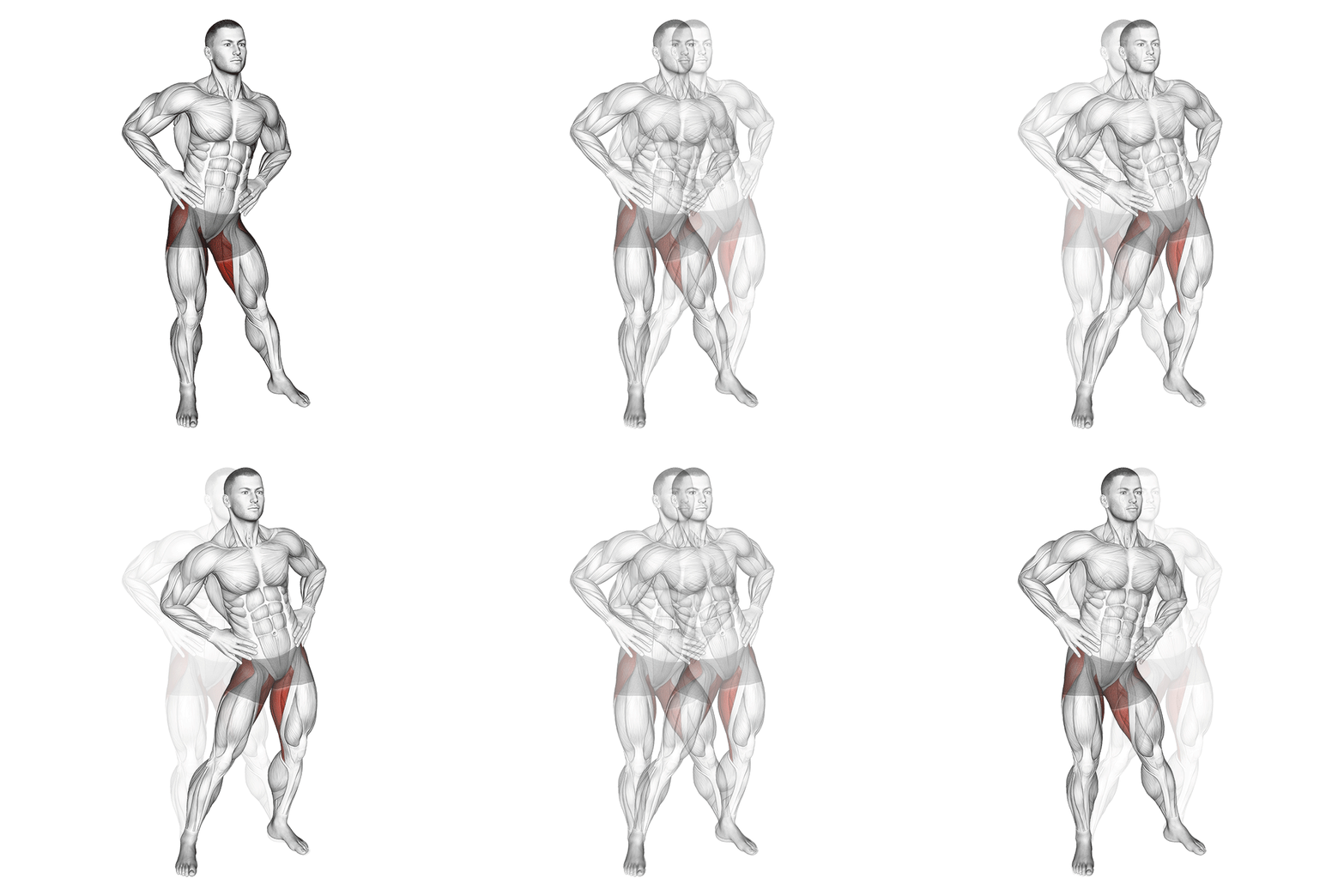
Hip Circles
Hip Circles are a dynamic warm-up exercise that targets the hip joints, improving flexibility and mobility. This exercise involves rotating the hips in a circular motion, which helps to loosen tight muscles and prepare the body for more intense physical activity. It is particularly beneficial for athletes and individuals engaging in lower body workouts.
Muscle focus
Step-by-step cues
- Stand with your feet shoulder-width apart and place your hands on your hips.
- Engage your core muscles to maintain balance and stability.
- Begin by slowly rotating your hips in a clockwise direction, making large circles.
- Complete 10-15 rotations, then switch to a counterclockwise direction for another 10-15 rotations.
- Keep your upper body stable and focus on moving only your hips.
Technical tips
- Ensure your feet remain flat on the ground throughout the exercise to maintain stability.
- Focus on controlled movements; avoid rushing through the rotations.
- Keep your knees slightly bent to reduce pressure on the joints.
- Perform hip circles as part of your warm-up routine to enhance joint mobility before engaging in more strenuous exercises.
- If you experience any discomfort, reduce the size of the circles or slow down the movement.
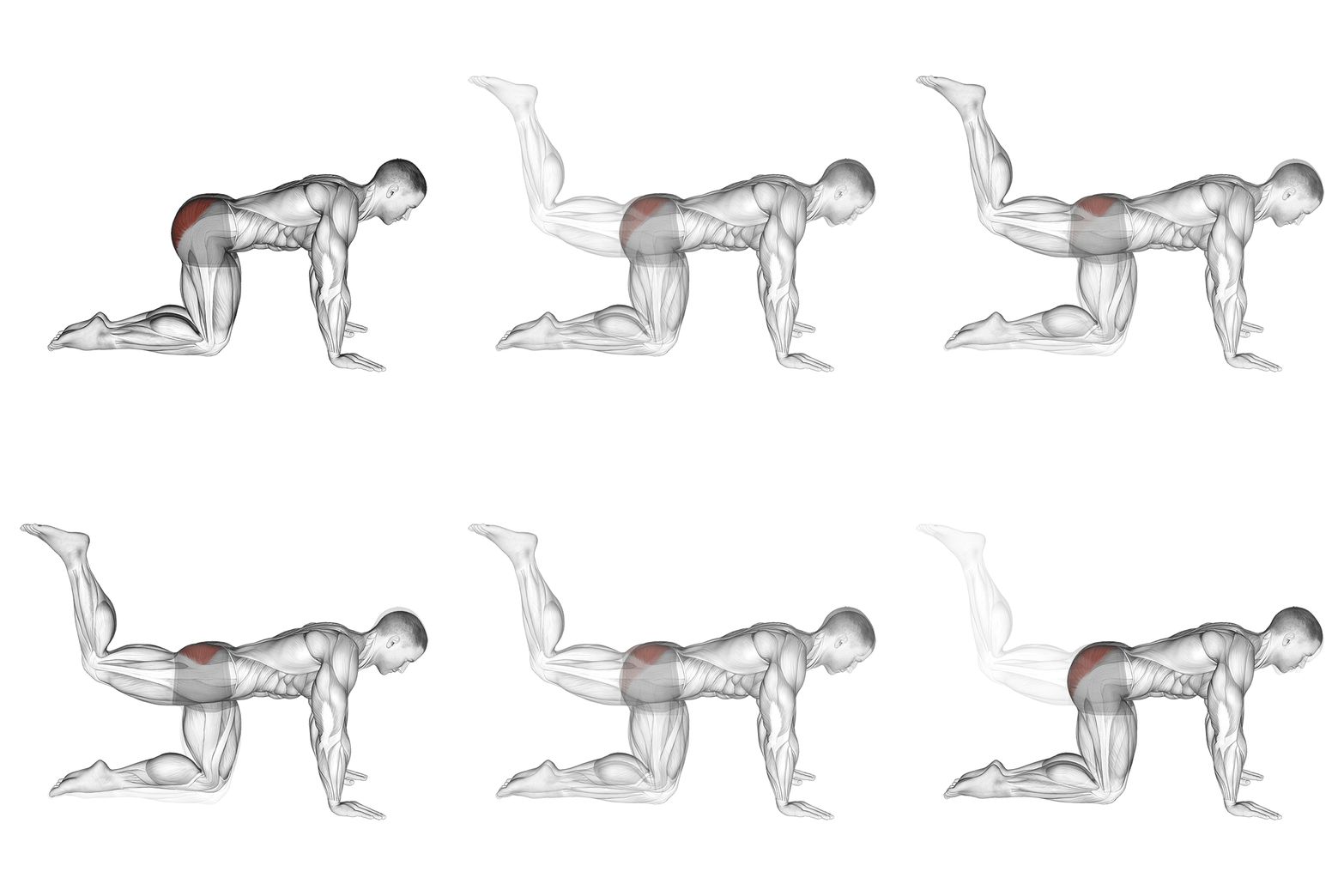
Donkey Kick
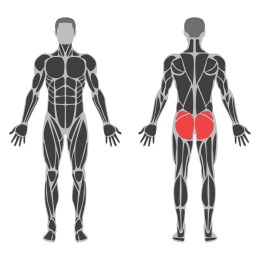
The Donkey Kick is a lower body exercise targeting the gluteus maximus, designed to enhance strength, stability, and muscle tone. It primarily engages the glutes while also activating the core and hamstrings. This exercise is performed on all fours, making it accessible for various fitness levels.
Muscle focus
Step-by-step cues
- Begin on all fours with your hands directly under your shoulders and knees under your hips.
- Engage your core to maintain a neutral spine throughout the movement.
- Lift one leg, keeping the knee bent at 90 degrees, and drive the sole of your foot towards the ceiling.
- Squeeze your glutes at the top of the movement and hold for a brief moment.
- Lower your leg back to the starting position with control.
- Repeat for the desired number of repetitions before switching to the other leg.
Technical tips
- Keep your core engaged to prevent lower back arching.
- Focus on squeezing your glutes at the top of each repetition for maximum activation.
- Maintain a steady pace and avoid using momentum to lift your leg.
- Ensure your neck remains in line with your spine by looking down at the floor.
- For added resistance, consider using ankle weights or a resistance band around your thighs.
Reverse Crunches
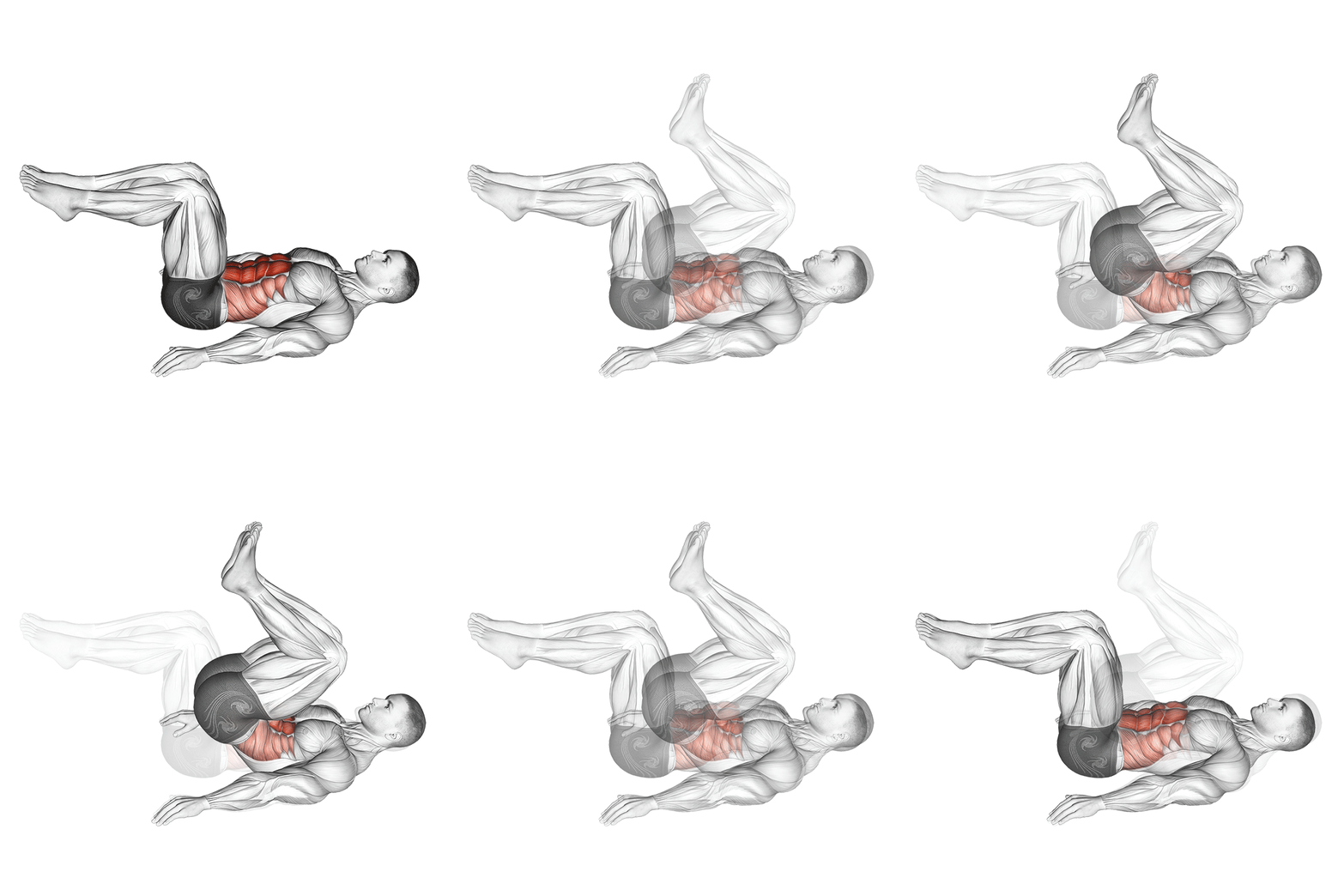
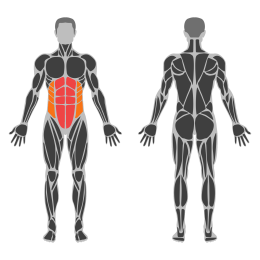
Reverse crunches are an abdominal exercise that targets the lower part of the rectus abdominis. This movement involves curling the pelvis towards the ribcage while lying on your back, engaging the core muscles effectively.
Muscle focus
Step-by-step cues
- Lie flat on your back on a mat with your legs extended and arms by your sides, palms facing down.
- Bend your knees at a 90-degree angle and lift your feet off the ground so that your thighs are perpendicular to the floor.
- Engage your core by drawing your belly button towards your spine.
- Exhale as you curl your hips off the floor, bringing your knees towards your chest. Keep the movement controlled.
- Inhale as you slowly lower your hips back to the starting position without letting your feet touch the ground.
- Repeat for the desired number of repetitions.
Technical tips
- Focus on using your core muscles to lift your hips rather than swinging your legs.
- Keep the movement slow and controlled to maximize muscle engagement and reduce momentum.
- Avoid arching your back; maintain a neutral spine throughout the exercise.
- Place your hands under your glutes for added support if needed.
- Exhale during the exertion phase as you lift your hips and inhale as you return to the starting position.
Pistol Box Squat
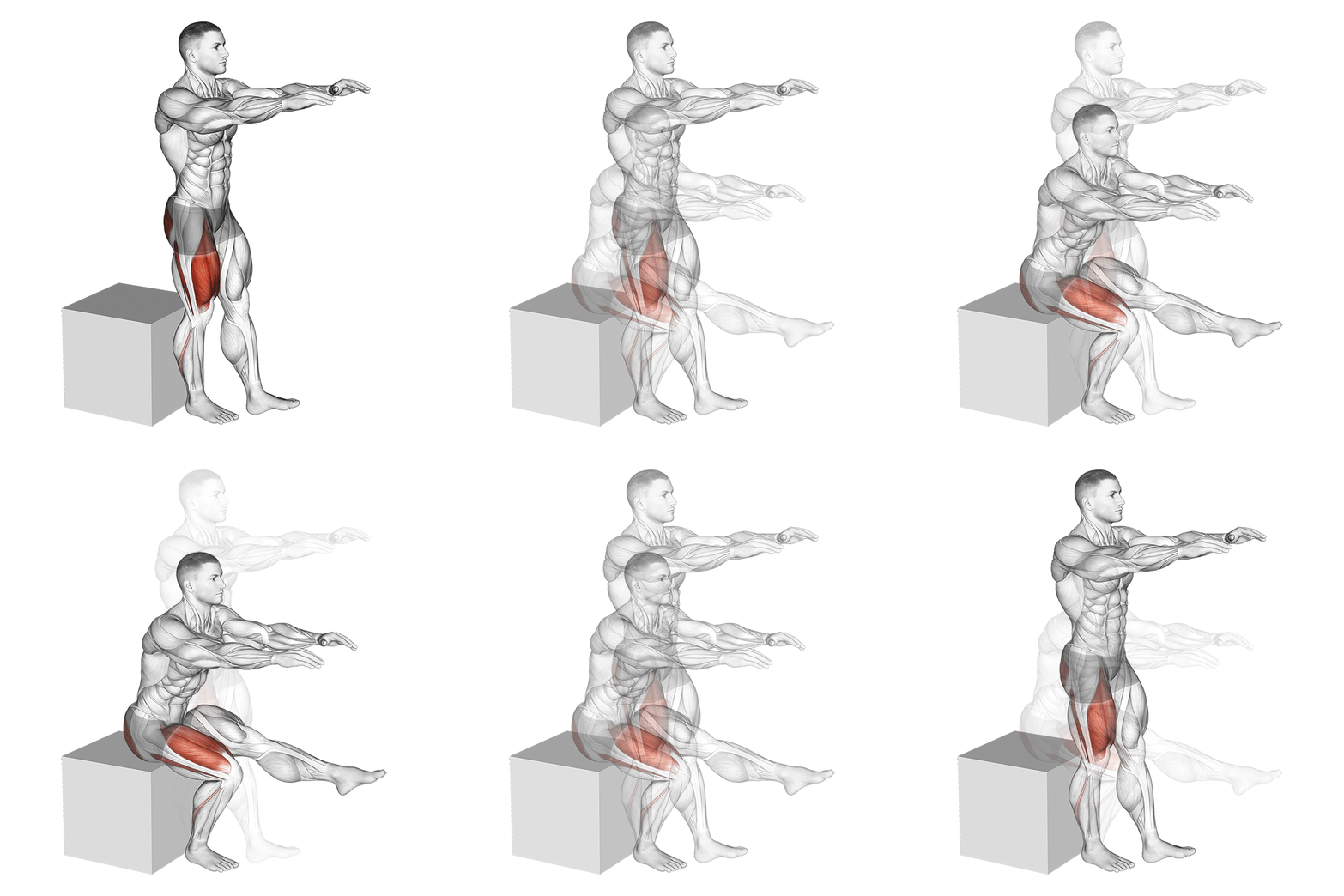
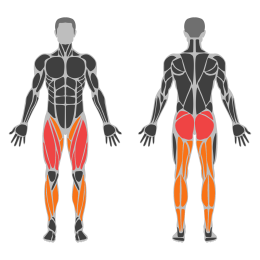
The Pistol Box Squat is a unilateral lower body exercise that targets the quadriceps, glutes, hamstrings, and core. It involves performing a single-leg squat to a box or bench, which helps in maintaining balance and control while reducing the range of motion compared to a full pistol squat. This exercise is beneficial for building strength, improving balance, and enhancing mobility.
Muscle focus
Step-by-step cues
- Stand in front of a box or bench with your feet hip-width apart.
- Lift one leg off the ground, extending it forward while keeping it straight.
- Engage your core and maintain an upright posture.
- Slowly lower your body by bending the knee of the standing leg, pushing your hips back as if sitting down.
- Descend until your glutes lightly touch the box or bench.
- Pause briefly at the bottom position to maintain control.
- Press through the heel of the standing leg to return to the starting position.
- Repeat for the desired number of repetitions before switching legs.
Technical tips
- Ensure that your knee tracks over your toes to avoid unnecessary strain.
- Keep your chest up and shoulders back throughout the movement.
- Use a box height that allows you to maintain control and proper form.
- Focus on engaging your core to help with balance and stability.
- Start with a higher box if you're new to this exercise and gradually decrease the height as you become more proficient.
- Perform the movement slowly to maximize muscle engagement and control.
Dumbbell Single Leg Hip Thrust
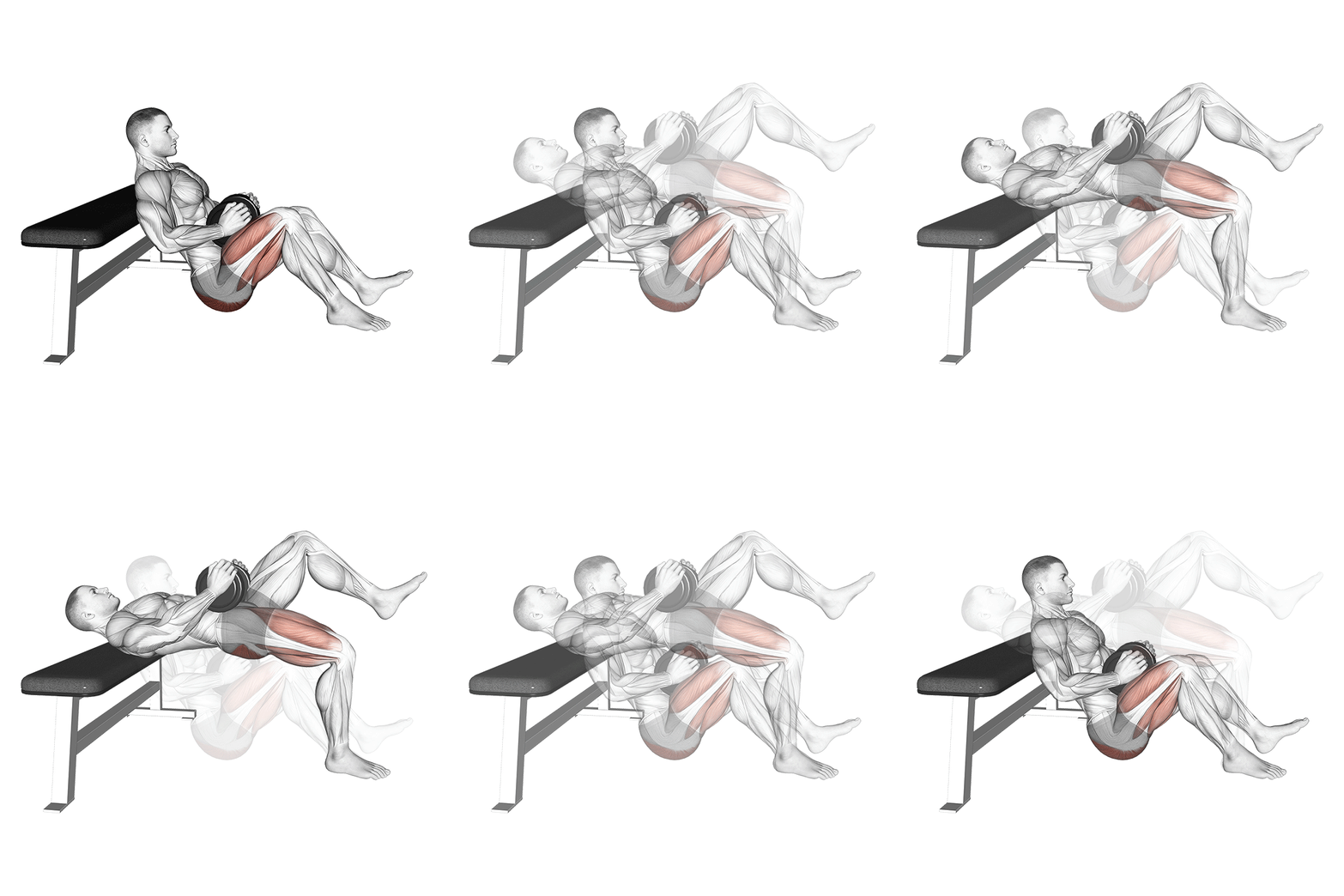
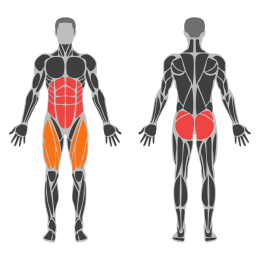
The Dumbbell Single Leg Hip Thrust is a lower body exercise targeting the glutes, hamstrings, and core. It involves lifting the hips while balancing on one leg, with a dumbbell placed on the working hip for added resistance. This exercise enhances unilateral strength, stability, and muscle activation in the posterior chain.
Muscle focus
Step-by-step cues
- Sit on the ground with your upper back resting against a bench or elevated surface.
- Bend one knee and place your foot flat on the floor, while extending the other leg straight out.
- Place a dumbbell on the hip of the bent leg, holding it securely with your hand.
- Engage your core and drive through the heel of the bent leg to lift your hips towards the ceiling.
- At the top of the movement, your body should form a straight line from shoulders to knee.
- Squeeze your glutes at the top and hold for a moment before lowering back down.
- Repeat for the desired number of repetitions before switching legs.
Technical tips
- Ensure your upper back is firmly supported by the bench to maintain stability.
- Keep your core engaged throughout the movement to prevent lower back strain.
- Focus on driving through your heel to maximize glute activation.
- Control the descent to maintain tension in the muscles and avoid dropping your hips too quickly.
- Maintain a straight line from shoulders to knee at the top of the thrust for proper form.
- Start with a lighter dumbbell to master form before progressing to heavier weights.
Weighted Straight Arm Crunch
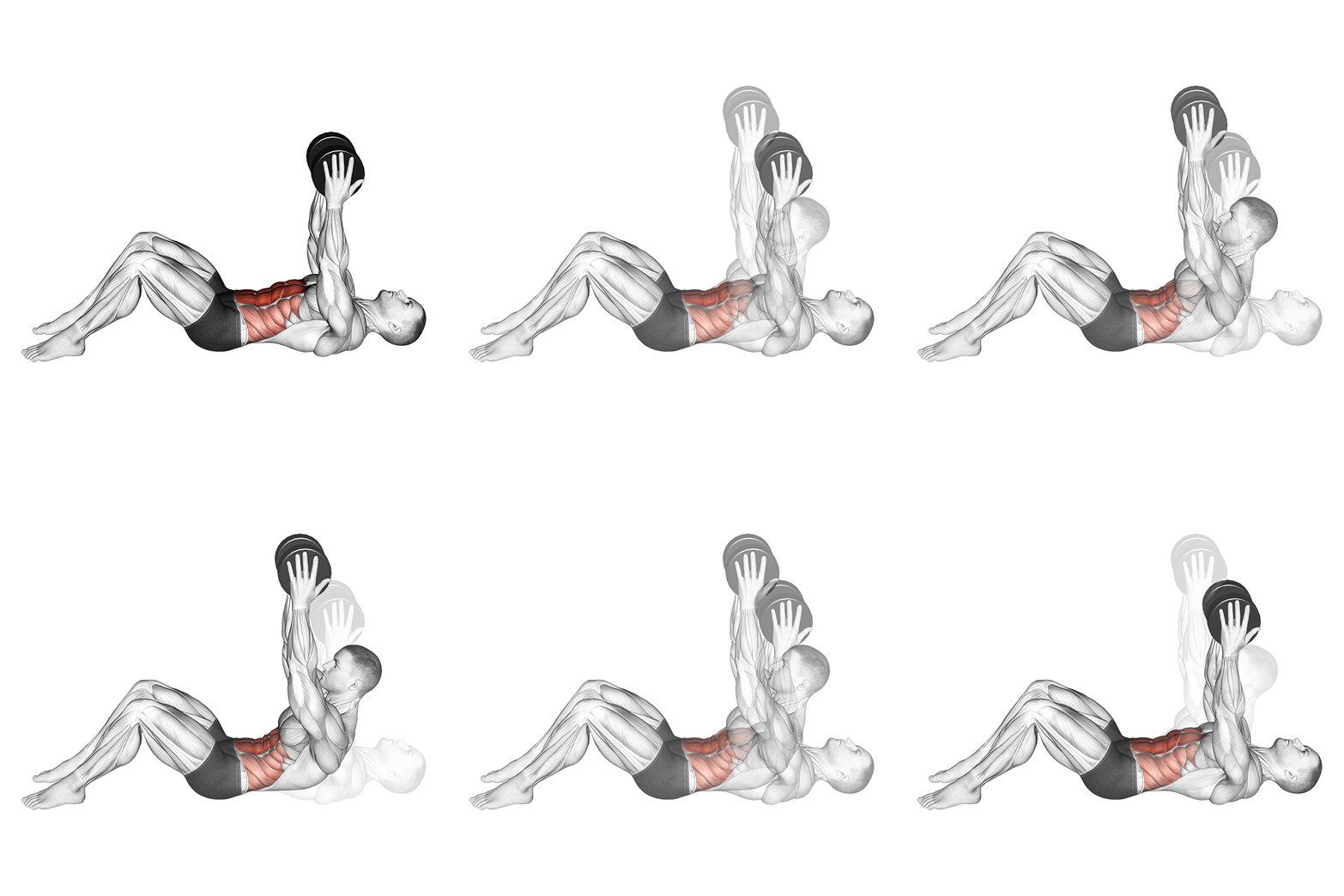
The Weighted Straight Arm Crunch is an abdominal exercise that targets the rectus abdominis and obliques. This variation involves holding a weight above your chest with straight arms, increasing resistance and intensity.
Muscle focus
Step-by-step cues
- Lie flat on your back on a mat with your knees bent and feet flat on the floor.
- Hold a weight plate or dumbbell with both hands, extending your arms straight above your chest.
- Engage your core by pulling your navel towards your spine.
- Lift your shoulders and upper back off the mat, keeping your arms straight and reaching towards the ceiling.
- Hold the contraction at the top for a moment, then slowly lower back down to the starting position.
- Repeat for the desired number of repetitions.
Technical tips
- Keep your arms straight but not locked to avoid joint strain.
- Focus on using your abdominal muscles to lift, not your neck or arms.
- Exhale as you lift and inhale as you lower back down.
- Start with a lighter weight to master the form before progressing to heavier weights.
- Maintain a slow and controlled movement throughout the exercise to maximize muscle engagement.
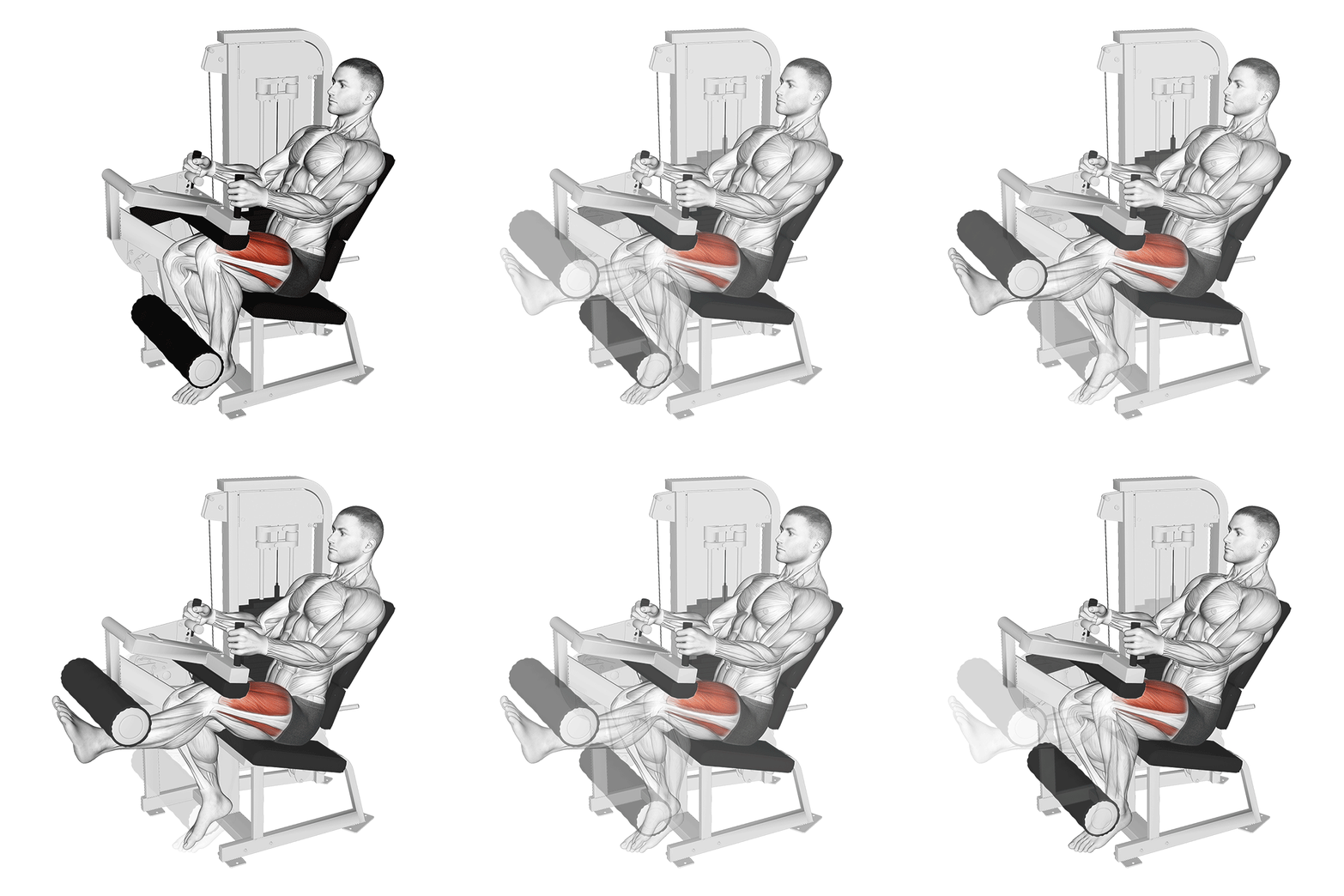
Single-Leg Extension
The Seated One Leg Extension is an isolation exercise that targets the quadriceps muscles located at the front of the thigh. It is performed using a leg extension machine, which allows for controlled movement and precise targeting of the quadriceps. This exercise is beneficial for building strength and muscle definition in the legs.
Muscle focus
Step-by-step cues
- Adjust the seat and backrest of the leg extension machine so that your knees are aligned with the pivot point of the machine.
- Sit on the machine with your back firmly against the backrest and your feet under the padded lever.
- Select an appropriate weight on the machine's weight stack.
- Grasp the handles or sides of the seat to stabilize your upper body.
- Extend one leg by pushing against the padded lever until your leg is fully extended, keeping your foot flexed.
- Pause briefly at the top of the movement, ensuring full contraction of the quadriceps.
- Slowly lower your leg back to the starting position without letting the weights touch.
- Repeat for the desired number of repetitions before switching to the other leg.
Technical tips
- Ensure that your knee joint is aligned with the pivot point of the machine to prevent strain.
- Keep your movements controlled and avoid using momentum to lift the weight.
- Focus on squeezing your quadriceps at the top of each repetition for maximum contraction.
- Maintain a neutral spine by keeping your back pressed against the backrest throughout the exercise.
- Start with a lighter weight to perfect your form before progressing to heavier loads.
- Avoid locking out your knee completely at full extension to protect your joint integrity.
- Breathe out as you extend your leg and inhale as you return to starting position.
Friday
Rest
Keep the day easy and maintain regular meals and hydration.
Saturday
Upper Technique
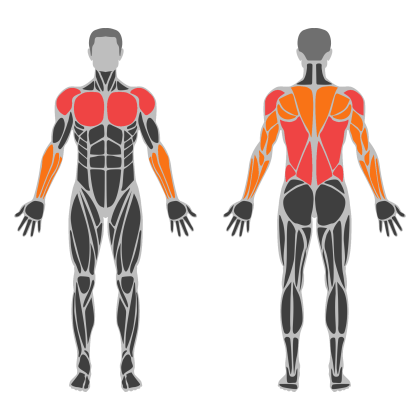
Upper Technique muscle focus
Red marks the primary training focus. Orange marks supporting muscle groups used throughout this session.
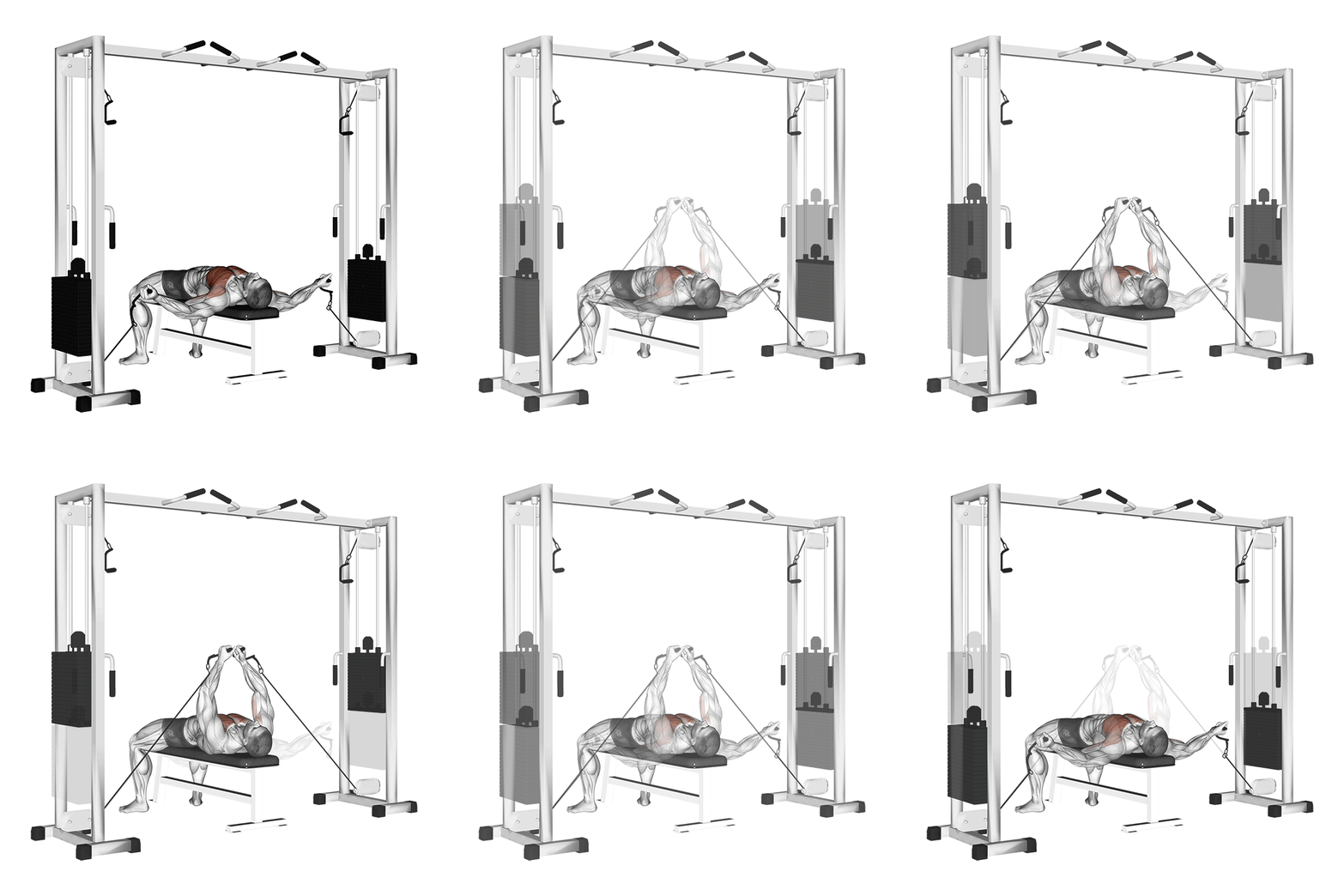
Lying Cable Fly
The Lying Cable Fly is an isolation exercise targeting the pectoral muscles. It involves lying on a flat bench and using cables to perform a fly motion, which helps in developing the chest by focusing on the inner and outer portions of the pectorals. This exercise also engages the shoulders and triceps as secondary muscles.
Muscle focus
Step-by-step cues
- Set the pulleys on a cable machine to the lowest position and attach single handle grips.
- Lie flat on a bench positioned between the cable stacks, ensuring your feet are flat on the floor.
- Grasp each handle with an overhand grip, palms facing each other, and extend your arms straight up above your chest.
- With a slight bend in your elbows, slowly lower your arms out to the sides in a wide arc until you feel a stretch in your chest.
- Pause briefly at the bottom of the movement, then bring your arms back to the starting position by squeezing your chest muscles.
- Repeat for the desired number of repetitions, maintaining control throughout the motion.
Technical tips
- Keep a slight bend in your elbows throughout the exercise to reduce stress on the joints.
- Focus on squeezing your chest muscles as you bring your arms back together to maximize muscle engagement.
- Maintain a controlled motion; avoid letting the weights pull your arms back too quickly.
- Ensure that your shoulder blades remain in contact with the bench to stabilize your upper body.
- Breathe out as you bring your arms together and inhale as you lower them back down.
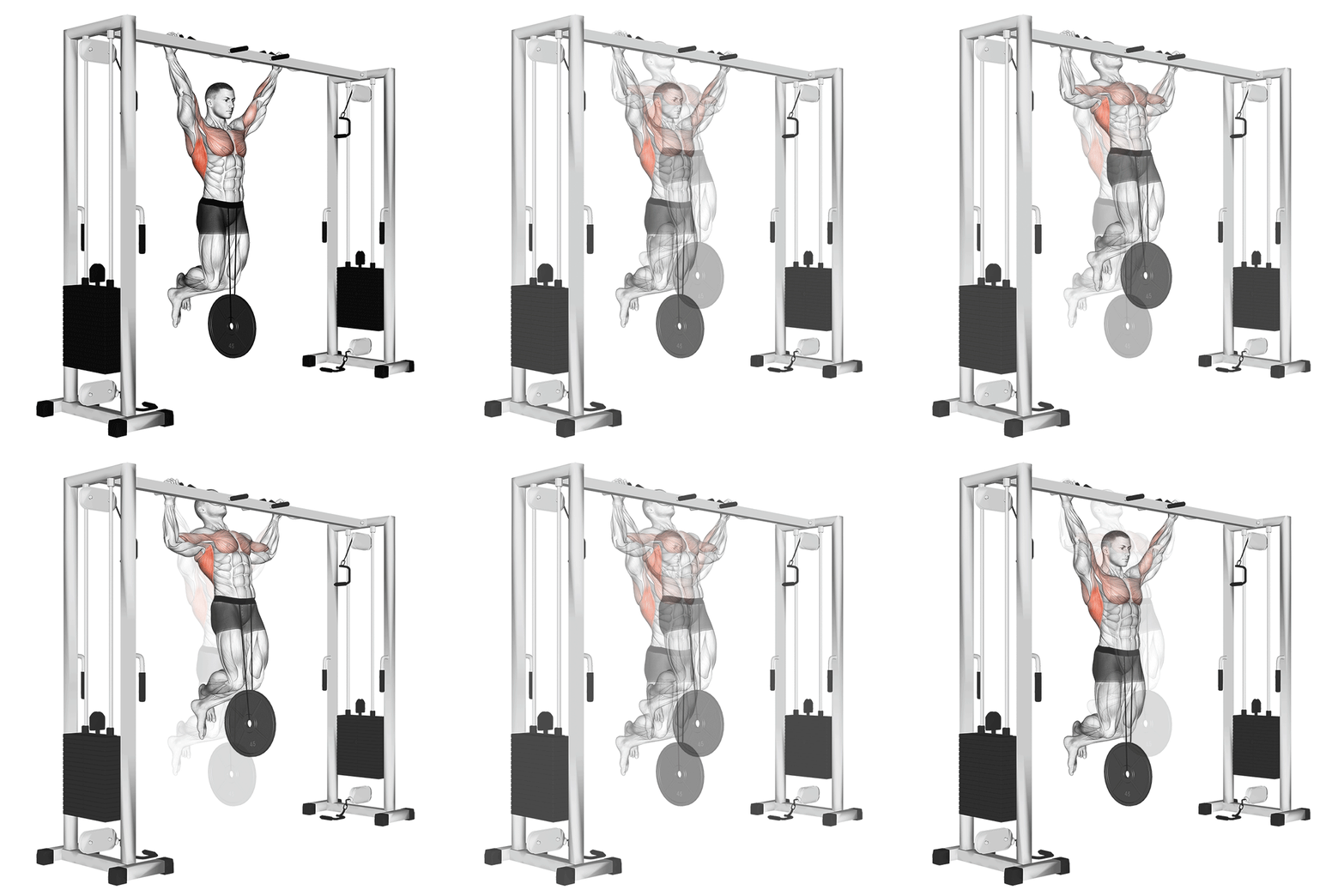
Weighted Pull-Up
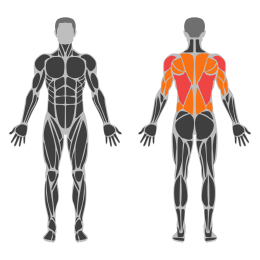
The Weighted Pull Up is an advanced upper body exercise that targets the latissimus dorsi, biceps, and other muscles of the back and arms. By adding weight, this exercise increases resistance, enhancing muscle strength and hypertrophy. It requires a pull-up bar and additional weight, typically attached via a weight belt.
Muscle focus
Step-by-step cues
- Begin by securely attaching a weight to your body using a dip belt or weighted vest.
- Stand beneath a pull-up bar and grasp it with an overhand grip, hands slightly wider than shoulder-width apart.
- Engage your core and retract your shoulder blades to stabilize your body.
- Initiate the pull by driving your elbows downwards and pulling your chin above the bar.
- Pause briefly at the top of the movement, ensuring full contraction of the back muscles.
- Lower yourself in a controlled manner until your arms are fully extended.
- Repeat for the desired number of repetitions.
Technical tips
- Ensure that the added weight is securely fastened to prevent injury.
- Focus on maintaining a straight line from head to heels by engaging your core throughout the exercise.
- Avoid swinging or using momentum to complete the pull-up; aim for controlled movements.
- If you're new to weighted pull-ups, start with a lighter weight to master form before progressing.
- Keep your shoulders away from your ears to prevent unnecessary strain and promote proper muscle engagement.
- Breathe out as you pull up and inhale as you lower yourself back down.
Handstand Hold
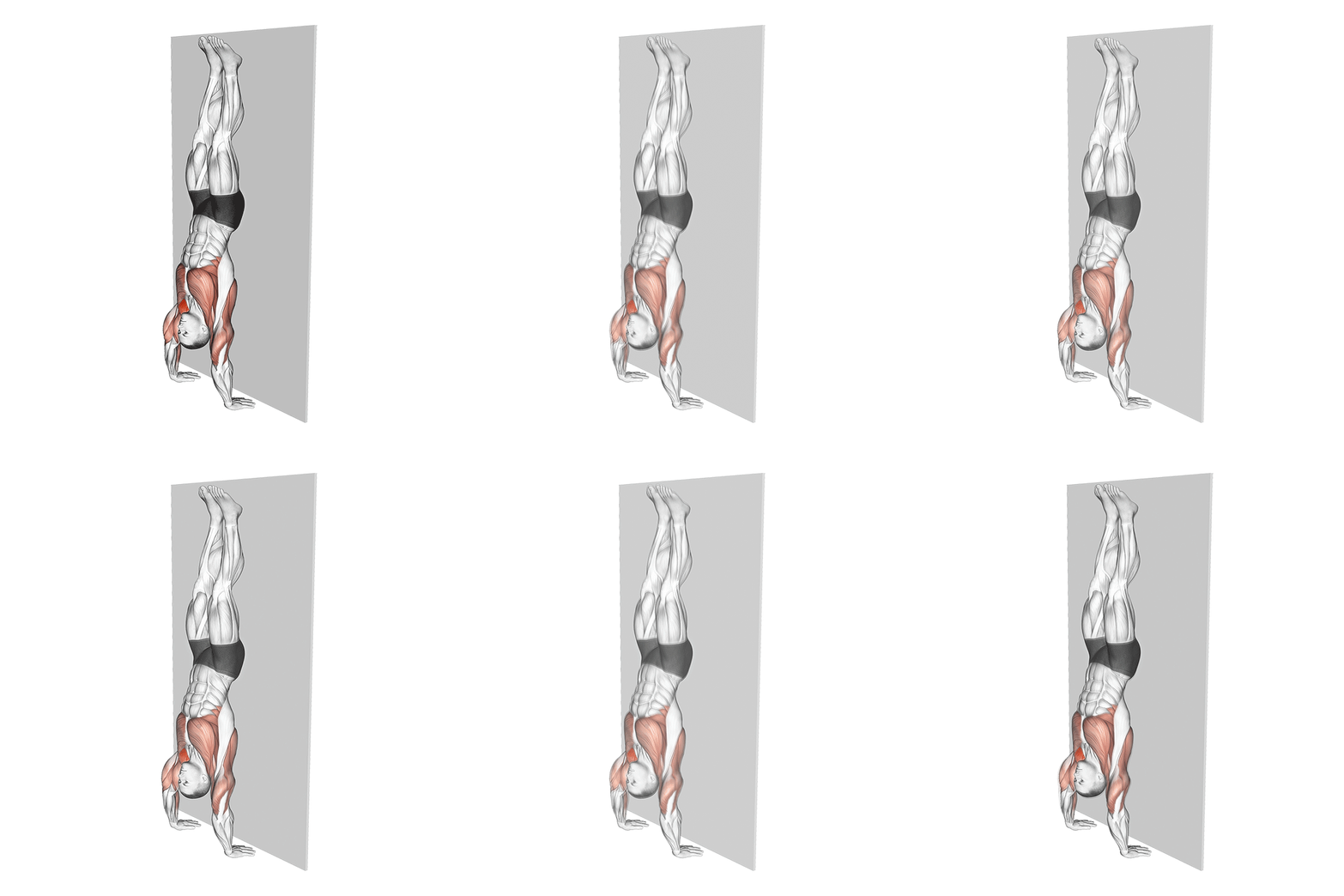
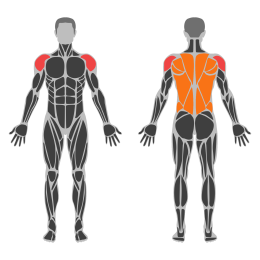
The Handstand Hold is an advanced bodyweight exercise that primarily targets the shoulders, arms, and core. It involves balancing the body upside down with hands placed on the ground and feet elevated, requiring strength, stability, and control.
Muscle focus
Step-by-step cues
- Start in a standing position facing a wall.
- Place your hands shoulder-width apart on the ground about 6-12 inches from the wall.
- Kick up one leg at a time to bring your feet to the wall, achieving an inverted position.
- Engage your core and glutes to maintain a straight line from hands to feet.
- Keep your head neutral, looking slightly between your hands.
- Hold this position for the desired duration, focusing on balance and control.
- To exit, gently lower one leg at a time back to the ground.
Technical tips
- Ensure your hands are firmly planted on the ground for stability.
- Engage your core muscles to help maintain balance and prevent arching of the back.
- Keep your elbows slightly bent to reduce strain on the joints.
- Practice against a wall initially to build confidence and strength.
- Focus on breathing steadily throughout the hold to maintain calmness and control.
- Gradually increase hold duration as you build strength and stability.
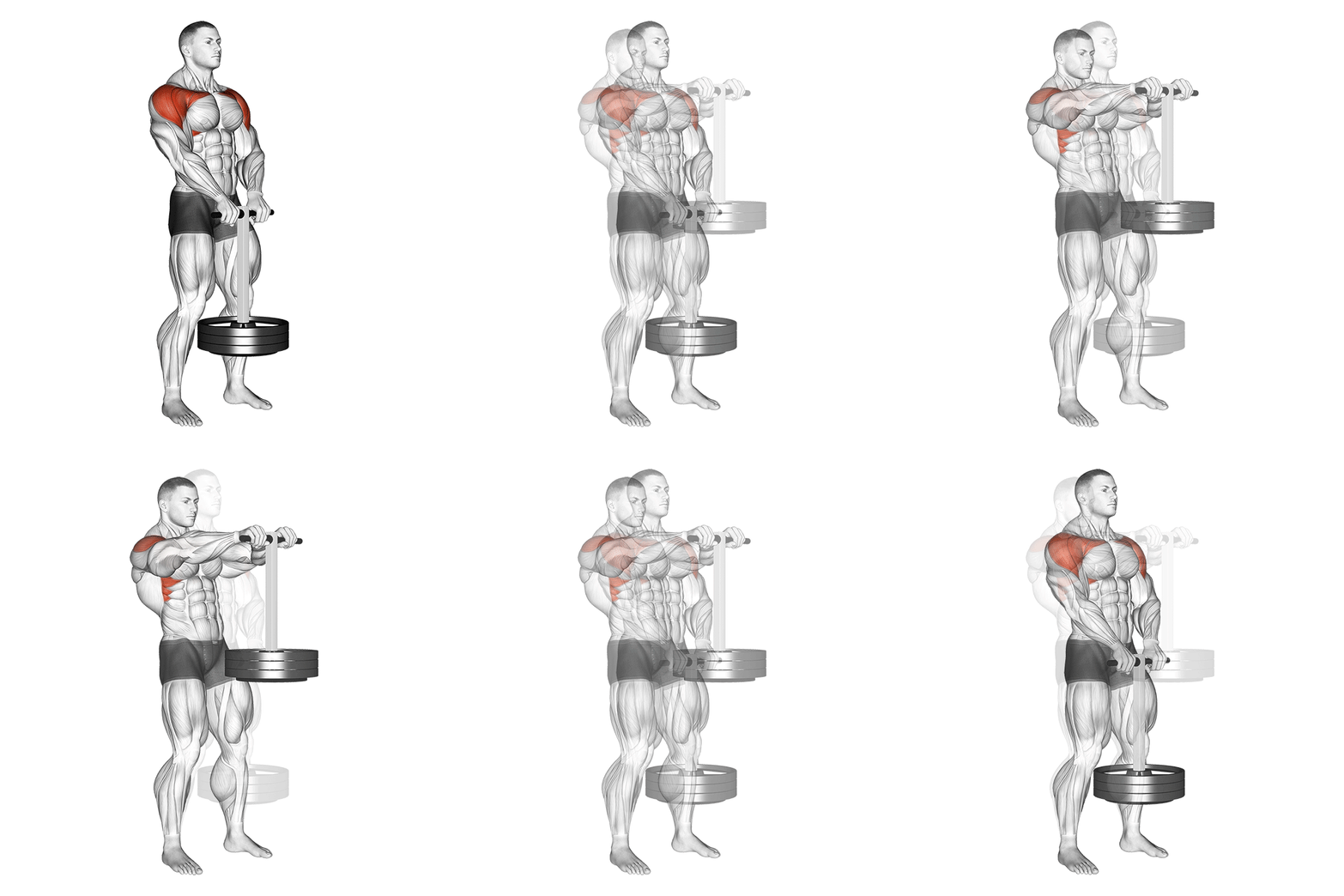
Static Front Hold
The Static Front Hold, also known as the Front Lever Hold, is an advanced isometric exercise targeting the core, shoulders, and back muscles. It requires significant strength and control to maintain a horizontal position while hanging from a bar.
Muscle focus
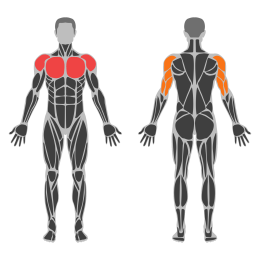
Step-by-step cues
- Begin by hanging from a pull-up bar with an overhand grip, hands shoulder-width apart.
- Engage your core and glutes to stabilize your body.
- Lift your legs and torso until your body is parallel to the ground, forming a straight line from head to heels.
- Keep your arms straight and shoulders engaged throughout the hold.
- Maintain the position for as long as possible, focusing on controlled breathing.
Technical tips
- Ensure your core is fully engaged to prevent sagging or arching of the back.
- Start with tuck holds if you're unable to maintain a full front hold initially.
- Focus on keeping your body rigid and aligned; imagine a straight line from head to heels.
- Practice regularly to build the necessary strength and endurance for longer holds.
- Use progressive overload by gradually increasing hold duration as you become stronger.
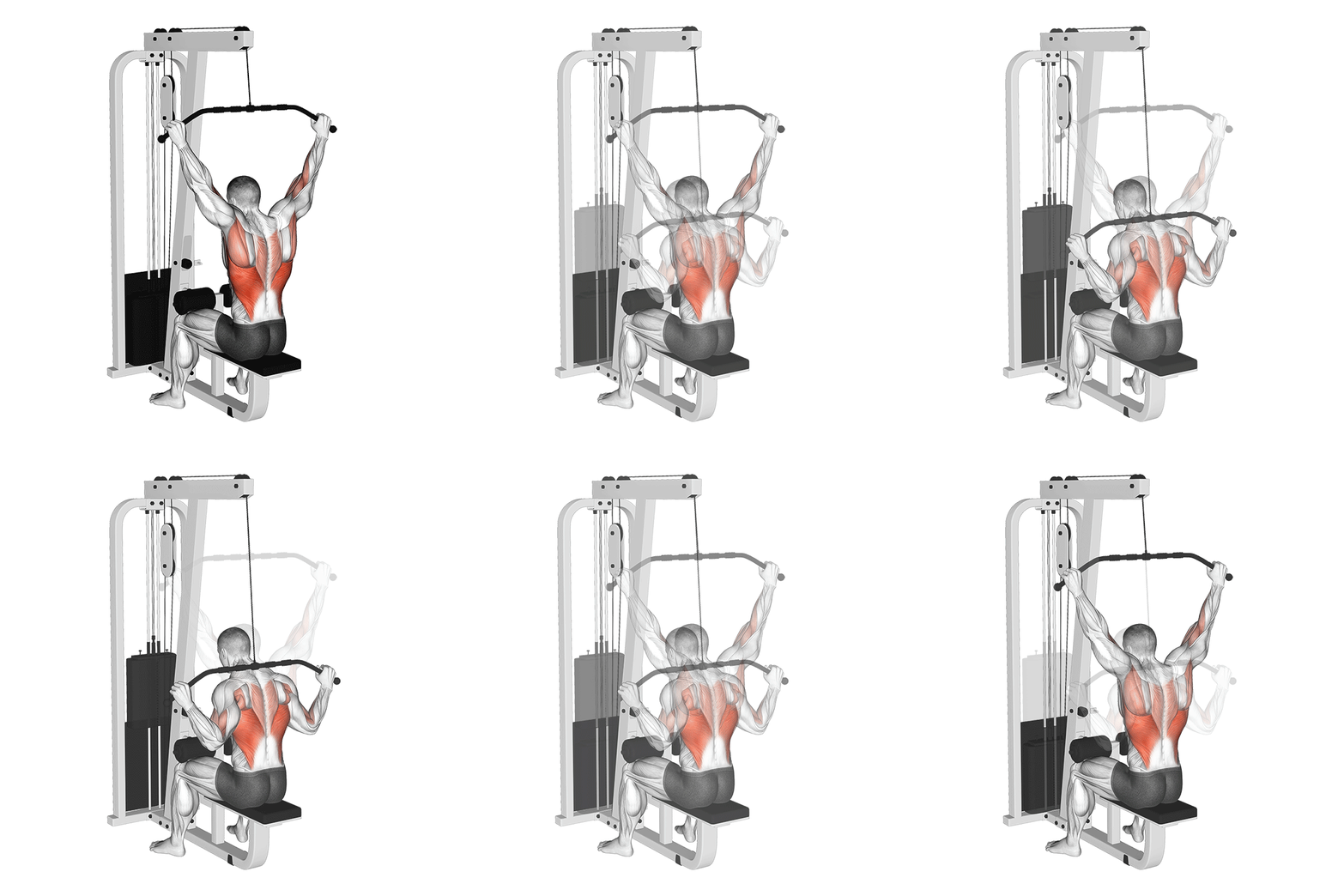
Cable Wide Grip Behind Neck Pulldown
The Cable Wide Grip Behind Neck Pulldown is an upper body exercise targeting the latissimus dorsi, trapezius, and rhomboids. It involves pulling a cable bar down behind the neck while seated, emphasizing the upper back and shoulder muscles.
Muscle focus
Step-by-step cues
- Adjust the seat height so your feet are flat on the floor and your thighs are secured under the pad.
- Attach a wide grip bar to the high pulley of a cable machine.
- Sit down facing the machine and grasp the bar with a wide overhand grip, palms facing forward.
- Lean slightly forward at the hips, keeping your back straight and core engaged.
- Pull the bar down behind your neck by squeezing your shoulder blades together and bending your elbows.
- Pause briefly when the bar reaches just below ear level.
- Slowly return to the starting position with controlled movement, fully extending your arms.
Technical tips
- Ensure your grip is wide enough to engage the lats effectively but not so wide that it causes discomfort.
- Maintain a slight forward lean to avoid excessive strain on the shoulders and neck.
- Focus on squeezing your shoulder blades together during the pull to maximize muscle engagement.
- Avoid using momentum; control the movement throughout to prevent injury.
- Keep your core tight to stabilize your torso during the exercise.
- Exhale as you pull down and inhale as you return to the starting position.
Sunday
Full Rest
No lifting. Review your log and choose next week load increases.
Four-week progression
Nutrition guidance

- Aim for a modest daily energy surplus of roughly 150-300 kcal rather than uncontrolled bulking.
- Build each main meal around protein and target roughly 1.6-2.2 g of protein per kg of body weight per day.
- Place a useful share of carbohydrates before and after training to support performance and recovery.
- Keep fruit, vegetables, whole grains and healthy fats in the plan instead of relying on supplements.
Use these numbers as practical starting ranges, not medical prescriptions. Adjust for your health, body size and activity, and consult a qualified professional when needed.



