Back to workout plan
Exercise guide

Pin Squat

A complete movement guide from 4-Week Athletic Conditioning and Strength Plan

Legs Barbell Strength
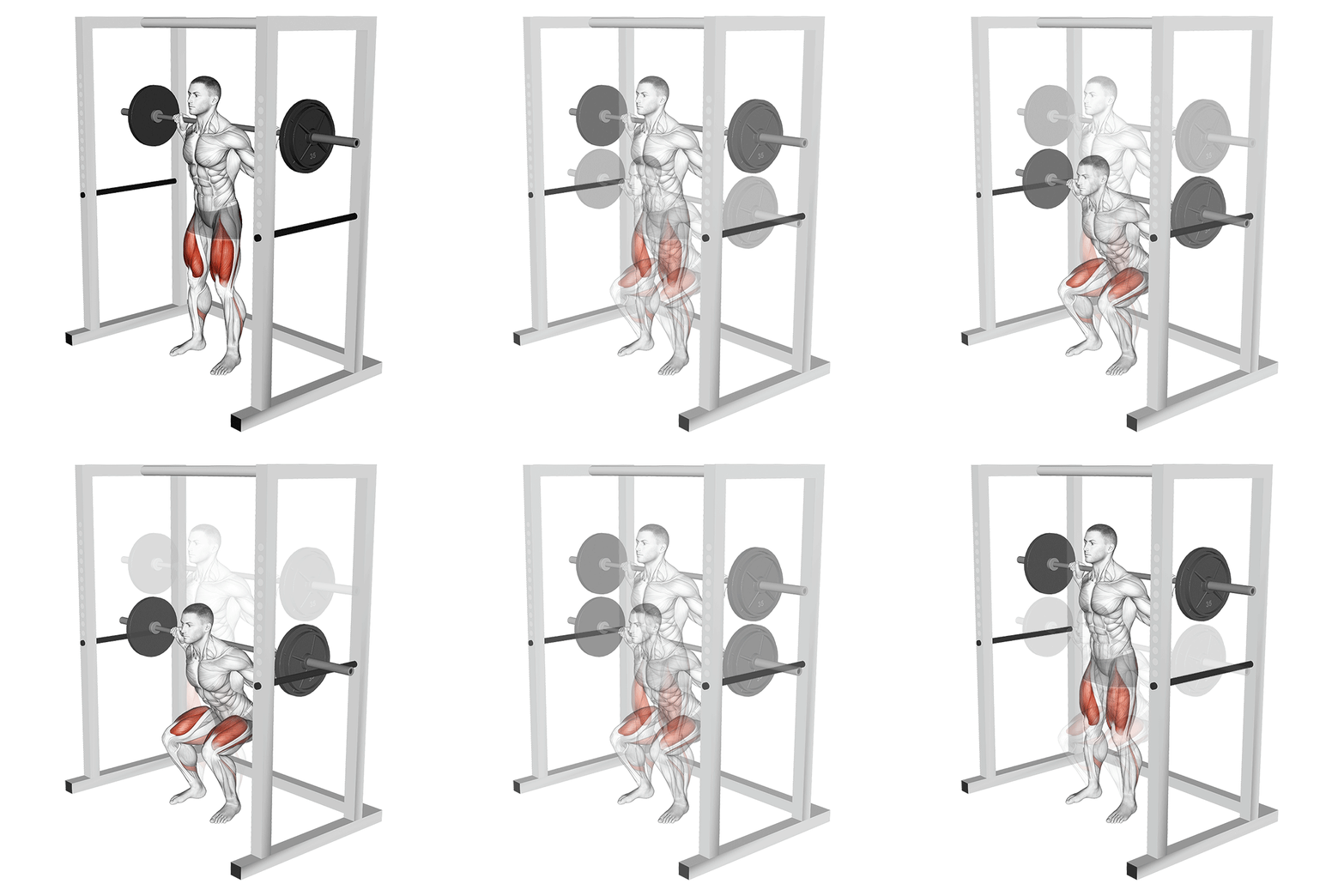
Pin Squat exercise animation
Purpose and technique

How this exercise works

The Pin Squat is a variation of the traditional squat where the barbell is lifted from a set of safety pins or supports within a power rack. This exercise focuses on building strength and power by eliminating the stretch reflex, forcing the lifter to generate force from a dead stop. It is particularly useful for improving sticking points in the squat and enhancing overall squat performance.

GluteusQuadriceps AdductorsBack LowerCore
Watch exercise video
Description

Movement overview

The Pin Squat is a variation of the traditional squat where the barbell is lifted from a set of safety pins or supports within a power rack. This exercise focuses on building strength and power by eliminating the stretch reflex, forcing the lifter to generate force from a dead stop. It is particularly useful for improving sticking points in the squat and enhancing overall squat performance.

Execution

Step-by-step cues

  1. Set the safety pins in a power rack at the desired height, typically at or just below parallel to your squat depth.
  2. Position the barbell on the pins and load it with an appropriate weight.
  3. Stand under the bar with your feet shoulder-width apart and position it across your upper back, ensuring it is centered.
  4. Grip the bar firmly with your hands slightly wider than shoulder-width apart.
  5. Engage your core, retract your shoulder blades, and maintain a neutral spine.
  6. Lift the bar off the pins by driving through your heels and extending your hips and knees simultaneously.
  7. Pause briefly at the top, then lower the bar back to the pins by bending your hips and knees, maintaining control throughout.
  8. Ensure that each rep starts from a dead stop on the pins to maximize effectiveness.
Coach notes

Technical tips

  • Focus on maintaining a strong core throughout the movement to protect your lower back.
  • Use a controlled tempo when lowering the bar to ensure proper form and reduce injury risk.
  • Start with a lighter weight to master technique before progressing to heavier loads.
  • Ensure that your knees track over your toes to avoid unnecessary strain on the joints.
  • Experiment with different pin heights to target specific weaknesses in your squat.
Continue your session

Return to the complete workout plan

Back to workout plan