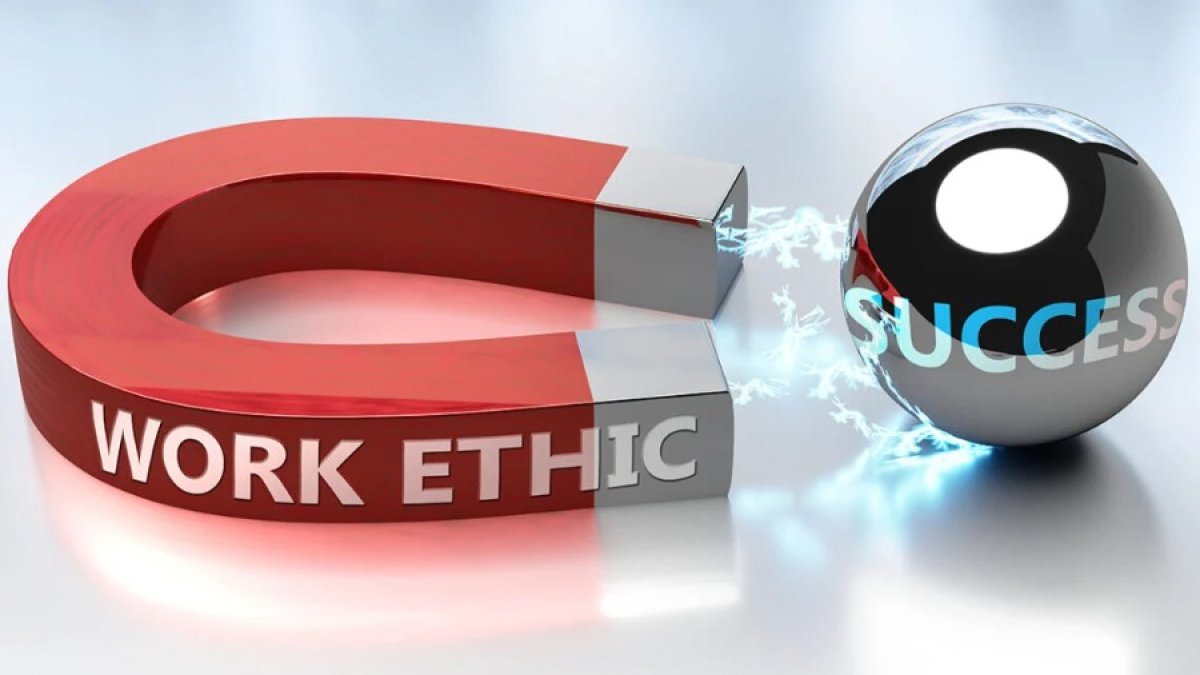
Why Your Work Ethic Is More Valuable Than Your Skills
Why Your Work Ethic Is More Valuable Than Your Skills
In today’s fast-paced and ever-evolving professional landscape, the emphasis often falls on acquiring specialized skills and technical knowledge. While having the right skills is undeniably important, it is a strong work ethic that often distinguishes truly successful individuals from the rest. But why exactly is work ethic more valuable than skills? Understanding this can reshape how you approach your career and personal development.
The Difference Between Skills and Work Ethic
Skills refer to the specific abilities you gain through education, training, or experience—like programming, writing, or managing projects. They are measurable and often tied to particular roles or industries.
Work ethic, on the other hand, is a broader set of personal values and habits that influence how you approach your work. This includes traits like reliability, discipline, perseverance, responsibility, and the willingness to put in consistent effort regardless of circumstances.
Why Work Ethic Outweighs Skills
- Skills Can Be Learned, But Work Ethic Is Foundational
Technical skills can be acquired through courses, training programs, or on-the-job experience. However, the drive to learn and continually improve stems from work ethic. Without a strong work ethic, skill development stalls. - Work Ethic Creates Consistency and Reliability
Employers and colleagues value those who they can depend on to meet deadlines, show up prepared, and maintain effort over time. A strong work ethic ensures you deliver results consistently, making you a trustworthy team member. - Motivation and Adaptability
Industries evolve rapidly, and skills can become outdated. A solid work ethic motivates individuals to keep learning and adapt to new challenges. This proactive mindset is more valuable than any single skill set. - Enhances Teamwork and Leadership
Work ethic fosters a positive attitude and a willingness to collaborate. Those who lead by example through dedication inspire others, setting the stage for effective teamwork and leadership growth. - Builds Reputation and Career Longevity
Those known for their strong work ethic build lasting relationships, earn respect, and open doors to new opportunities. Skills might get you noticed, but work ethic keeps you in the game for the long haul.
Balancing Skills With Work Ethic
While prioritizing work ethic is crucial, it does not mean skills should be neglected. Instead, skills and work ethic should be viewed as complementary:
- Develop your skills continuously to stay relevant in your field.
- Maintain and strengthen your work ethic by setting goals, practicing discipline, and staying self-motivated.
- Seek feedback regularly to improve both capabilities and professional attitude.
Conclusion
In the workplace, skills open doors, but a strong work ethic keeps you inside and propels you forward. It is the combination of dedication, consistency, and a willingness to work hard that defines success over the long term. Cultivating a solid work ethic not only makes you a valuable employee or leader but also lays the foundation for a rewarding and sustained career.



