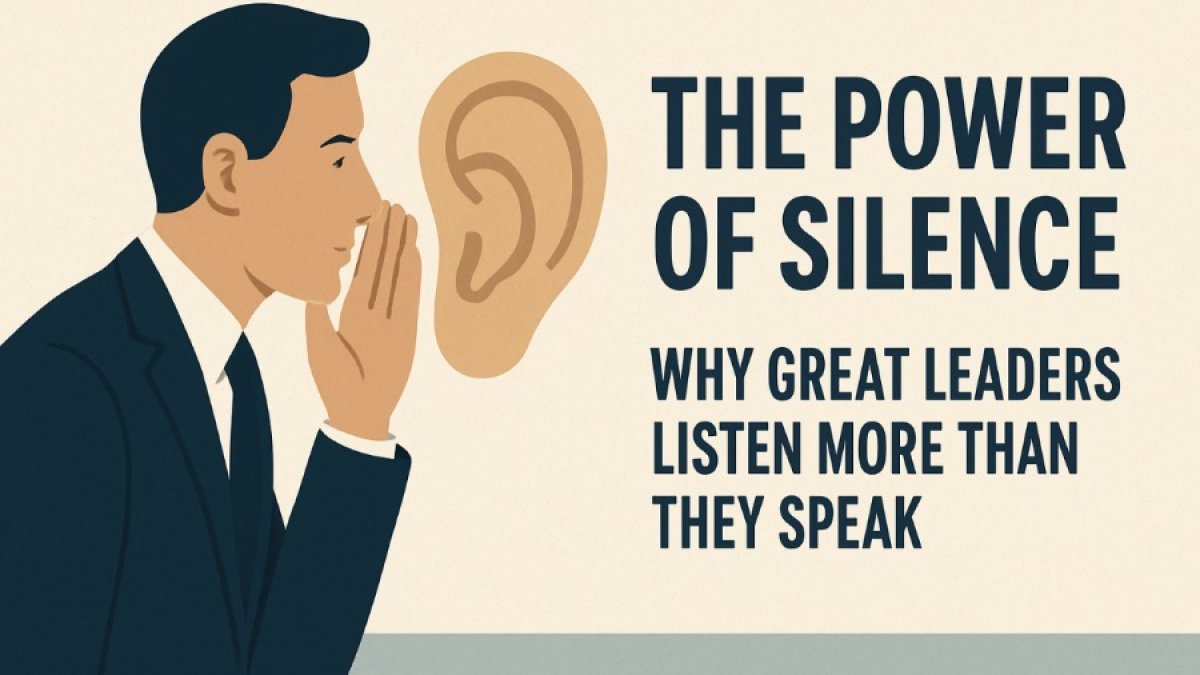
Why Great Leaders Listen More Than They Speak
Why Great Leaders Listen More Than They Speak
In the fast-paced world of leadership, communication is often emphasized as a vital skill. While speaking effectively is important, the most successful leaders understand the profound power of listening. Great leaders listen more than they speak because active listening fosters trust, encourages collaboration, and drives better decision-making. This balance between speaking and listening not only enhances leadership effectiveness but also creates an environment where teams feel valued and empowered.
The Importance of Listening in Leadership
Listening is far more than simply hearing words; it involves fully engaging with the speaker, understanding the message, and responding thoughtfully. For leaders, this skill is essential because:
- It builds trust and respect. When leaders listen attentively, it signals respect for their team’s ideas and concerns, strengthening relationships.
- It uncovers valuable insights. Listening opens the door to diverse perspectives and innovative solutions, which might otherwise go unnoticed.
- It enhances problem-solving. By understanding the root causes of challenges through careful listening, leaders can make more informed decisions.
- It boosts employee engagement. People feel more motivated and committed when they know their opinions matter and are heard.
How Listening Shapes Effective Leadership
Great leaders cultivate a culture of open communication by prioritizing listening. Here’s how listening shapes their leadership style:
- Active Listening Encourages Open Dialogue
Leaders who listen actively encourage others to speak up, fostering an environment where ideas flow freely. This open dialogue is critical for identifying opportunities and addressing challenges collaboratively.
- Listening Guides Better Decision-Making
Decisions made on the basis of comprehensive information gathered through attentive listening tend to be more effective and sustainable. Leaders avoid rash judgments and instead assess the full context.
- It Demonstrates Emotional Intelligence
Listening allows leaders to pick up on underlying emotions, concerns, and motivations, showcasing empathy. This emotional intelligence helps in managing team dynamics and resolving conflicts.
- It Fosters Growth and Development
When leaders listen to feedback, they can identify skill gaps and growth opportunities for team members. This commitment to development leads to a stronger, more capable workforce.
Conclusion
The most effective leaders recognize that listening is a cornerstone of impactful leadership. By choosing to listen more than they speak, they build trust, gather crucial insights, and create an inclusive culture that drives success. In leadership, the true power often lies not in what you say, but in what you listen to and how you respond. Embracing the art of listening is an essential step for any leader aspiring to inspire and lead with integrity.



