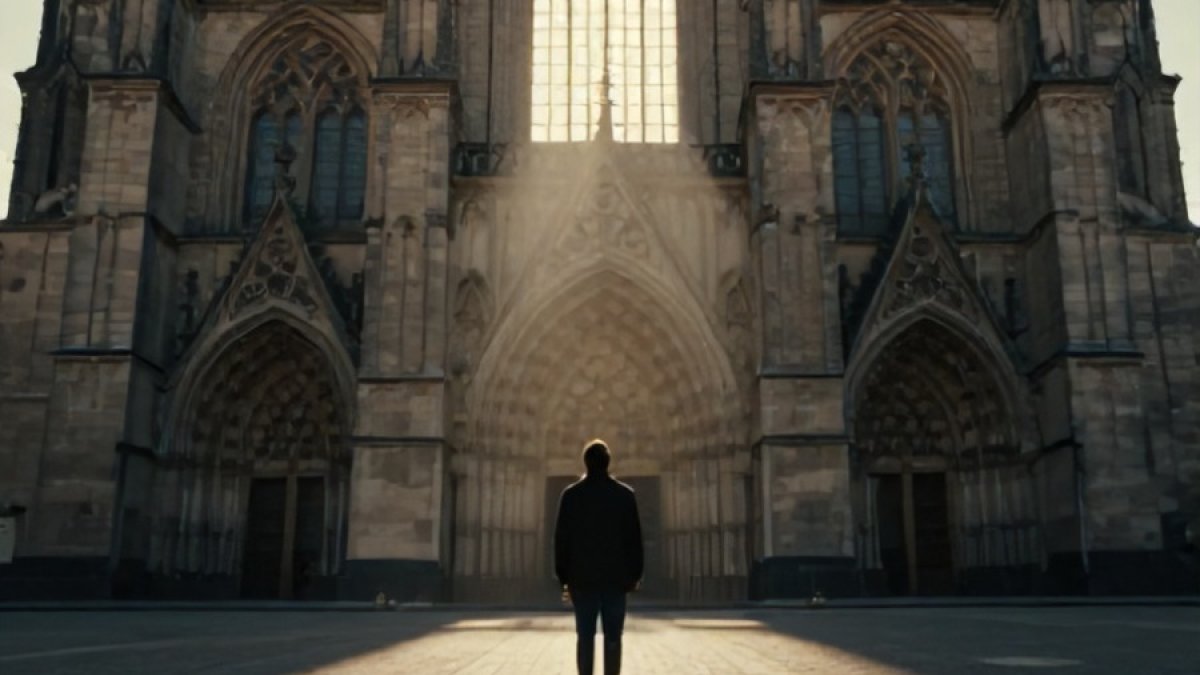
Wander Europe's Ancient Aisles for Your Next Creative Awakening
Creative fatigue rarely announces itself as a dramatic collapse. More often, it arrives as familiar solutions appearing before the problem is fully understood, a calendar filled with meetings that blur together, or a sense that every new idea resembles the last one. For people who build products, lead teams, or spend their days solving abstract problems, a change of environment can be more than a break. It can be a useful reset for attention.
Europe’s old libraries, arcades, monasteries, markets, and narrow streets offer a particular kind of reset. They place modern work beside long timelines: stone worn by generations of feet, manuscripts preserved through upheaval, public squares designed before anyone imagined a notification. The point is not to romanticize the past or turn travel into a productivity exercise. It is to create enough distance from routine that better questions can surface.
Choose places with a texture different from your daily work
If your usual environment is all glass, screens, transit, and fast decisions, seek places that ask you to move slowly and look closely. A historic city works well because it offers layers: an old center, ordinary residential streets, a working market, a quiet museum, and places to sit without an agenda.
Lisbon, for example, rewards unhurried walking. Its steep neighborhoods and tiled facades make a simple route feel less efficient and more observant. In Bologna, covered porticoes create long, sheltered corridors for wandering between cafés, bookshops, and university streets. In Edinburgh, the contrast between compact medieval lanes and broad Georgian avenues makes urban planning visible as an evolving argument.
These are not destinations to “complete.” Treat them as environments to inhabit. A creative awakening is more likely to come from noticing how a city handles shade, noise, gathering, or wayfinding than from collecting a maximum number of landmarks.
Use ancient aisles as a practice in attention
Libraries, churches, cloisters, galleries, and covered markets are valuable partly because they impose a pace. You lower your voice, follow a route, wait your turn, or accept that some spaces cannot be rushed. That is useful counterprogramming for work built around instant search and constant switching.
In a historic library or museum, resist the urge to document everything. Choose one room, one object, or one architectural detail and stay with it for several minutes. Notice the constraints that shaped it: available materials, climate, maintenance, patronage, politics, and the needs of ordinary users. Constraints are not merely obstacles; they often create the character of a system.
That observation translates well to technical work. A durable software design is rarely the most elaborate one. It is the one that respects its real conditions: the team’s capacity, the operating model, the failure modes, the users’ habits, and the cost of future change. Historic places make this principle tangible. Buildings that remain useful across centuries tend to have clear purpose, adaptable spaces, and a relationship with their surroundings.
Build a travel rhythm that leaves room for insight
A packed itinerary can reproduce the same overload you hoped to escape. Instead, plan a light structure with deliberate blank space. Give each day one anchor: a museum, neighborhood, archive, market, or long walk. Let the rest develop around what catches your interest.
- Start before the crowds. An early walk reveals how a place wakes up and gives your thoughts room before logistics take over.
- Work in a different medium. Carry a small notebook, make rough sketches, or write observations by hand. The goal is not polished output; it is slower capture.
- Ask one durable question. Try: “What does this place make easy?” or “What has been preserved, and why?” Use the question throughout the day.
- Protect an unplanned afternoon. Follow a side street, return to a café, or sit in a public square. Serendipity needs unscheduled time.
- End with a short review. Record three things you noticed and one connection to a current challenge. Keep it concrete.
This rhythm works particularly well for technical leaders who are used to optimizing every hour. Travel does not need to justify itself with a deliverable. Yet a small reflective practice makes it easier to retain what the trip changes in you.
Look for systems, not just scenery
Curious travelers can find practical lessons in the everyday systems of European cities. Observe how pedestrians share narrow streets, how public fountains or markets create informal meeting points, how old buildings are repurposed, and how signs guide people who do not know the area. These details are reminders that good experiences emerge from many small decisions, not a single grand gesture.
Consider the difference between a confusing transit connection and a legible station, or between a crowded square that still feels welcoming and one that feels chaotic. Such comparisons sharpen product instincts. They encourage questions that apply equally to a service, internal platform, or customer journey: Where does a newcomer hesitate? What information arrives too late? What can the environment communicate without requiring instructions?
Do not assume old always means better. Historic cities can be inaccessible, overcrowded, expensive, or difficult to navigate. That tension is part of the lesson. Preservation involves tradeoffs, just as modernizing a codebase does. The most thoughtful approach is neither blind reverence nor reflexive replacement, but a clear understanding of what must remain stable and what should evolve.
Bring back a changed operating model
The lasting value of travel often appears after returning home. A new place can make old defaults visible: the meetings that could be shorter, the project assumptions that no one has challenged, the tools that create noise instead of clarity. Capture these observations before routine closes over them.
Choose one modest change rather than promising a wholesale reinvention. You might reserve a weekly hour for uninterrupted design thinking, take walking one-to-ones when appropriate, simplify a team ritual, or begin planning work by stating the constraints before proposing solutions. Small adjustments are easier to sustain, and sustained changes matter more than a burst of post-trip enthusiasm.
Leave with better questions
Europe’s ancient aisles do not offer a shortcut to originality. What they offer is perspective: evidence that people have repeatedly adapted spaces, ideas, and institutions to new conditions without erasing every trace of what came before.
That is a generous lesson for anyone navigating ambitious work. Step away from the familiar long enough to notice its assumptions. Walk slowly through places built for lives unlike your own. Then return not with a demand to be more productive, but with a clearer sense of what deserves your attention—and what no longer does.



