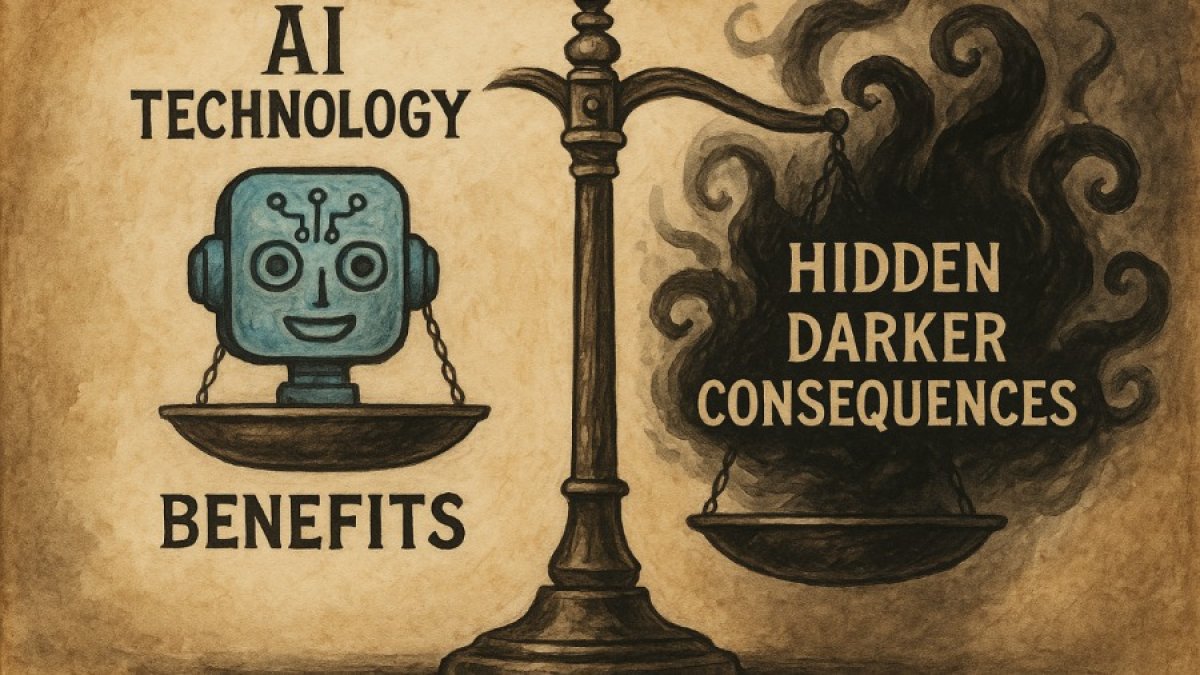
The Hidden Costs of Bad Prompts in AI Systems
The Hidden Costs of Bad Prompts in AI Systems
Artificial intelligence (AI) has become a transformative force across industries, powering everything from customer service chatbots to complex data analysis tools. At the heart of these AI systems lies one simple, yet critical component: the prompt. A prompt is the input or query that guides AI behavior, shaping the quality and relevance of its output. While it might seem straightforward, poorly constructed or unclear prompts can lead to significant hidden costs that impact efficiency, user satisfaction, and business outcomes.
Why Prompts Matter in AI
Prompts act as the interface between humans and AI. They translate human intention into a form that the AI can understand and process. A well-designed prompt provides clear context and direction, enabling the AI to deliver accurate, useful responses. Conversely, a bad prompt—one that is vague, ambiguous, or incomplete—can cause the AI to generate incorrect, irrelevant, or confusing information.
The Hidden Costs of Bad Prompts
When prompts fail, the consequences are often not immediately visible but can accumulate over time. These hidden costs include:
- Decreased Productivity: Bad prompts require repeated attempts to get the desired output. This retry cycle wastes valuable time for users who rely on AI for quick answers or automation.
- Increased Operational Expenses: Inefficient prompts may increase the number of API calls or cloud processing time required, driving up costs directly associated with AI usage.
- Poor User Experience: Users frustrated by inconsistent or inaccurate AI responses may lose trust in the system, harming adoption and engagement.
- Misleading or Inaccurate Outputs: In critical applications like healthcare, finance, or legal advice, incorrect AI responses due to poor prompts can lead to wrong decisions, risking compliance and safety.
- Additional Human Oversight: Organizations may need to allocate more human resources to verify or correct AI outputs, defeating the purpose of automation.
Common Causes of Bad Prompts
Understanding why prompts fail is essential to mitigating risks. Some of the most common causes include:
- Lack of Context: Without enough background or detail, AI cannot interpret the intent correctly.
- Ambiguity: Vague language leads to multiple interpretations and inconsistent answers.
- Overly Complex Instructions: Excessive verbosity or technical jargon may confuse the AI model.
- Unrealistic Expectations: Expecting AI to perform beyond its capabilities based on unclear prompts results in errors.
Mitigating the Costs: Best Practices for Prompt Engineering
Investing time and effort into prompt engineering can dramatically reduce hidden costs. Consider these best practices:
- Clarity and Precision: Use clear, specific language that leaves little room for ambiguity.
- Contextual Information: Provide relevant background or examples to guide AI responses.
- Iterative Refinement: Continuously test and adjust prompts based on the output to improve accuracy.
- User-Centered Design: Understand the users’ needs and tailor prompts accordingly.
- Training and Education: Educate teams on effective prompt writing techniques to enhance outcomes.
Conclusion
The power of AI hinges on effective communication between humans and machines, and prompts serve as the cornerstone of this interaction. Bad prompts may appear trivial, but their hidden costs—ranging from wasted time and money to damaged trust and compliance risks—are very real. By prioritizing careful prompt design and adopting best practices in prompt engineering, organizations can unlock the full potential of AI technologies while minimizing costly pitfalls. As AI continues to evolve, so too must the art of crafting the prompts that drive it.



