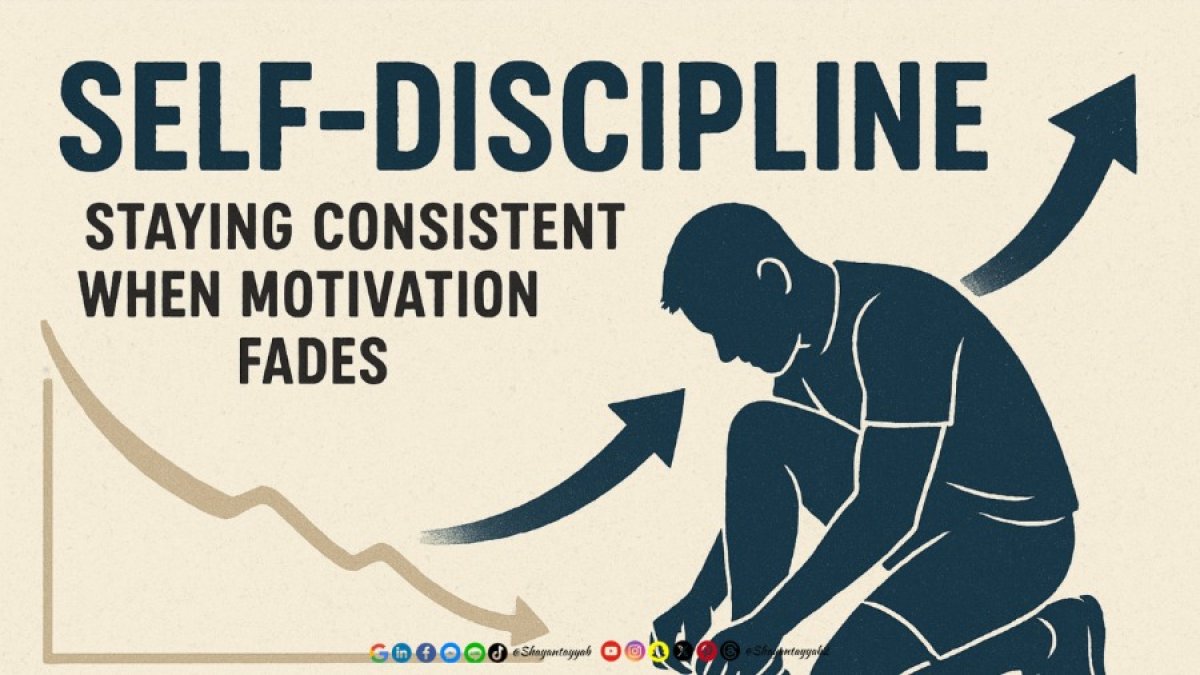
How to Build Discipline When Motivation Fades
How to Build Discipline When Motivation Fades
Motivation can be a powerful force that drives us toward achieving our goals, but it is often fleeting. Everyone experiences moments when enthusiasm wanes, and the initial spark of inspiration dims. In these periods, relying solely on motivation is insufficient. This is where discipline becomes crucial—helping us maintain consistent progress even when our desire to push forward diminishes.
Understanding the Difference Between Motivation and Discipline
Motivation is an emotional drive that propels action, usually sparked by excitement, desire, or external rewards. However, motivation is unpredictable and can fluctuate daily. On the other hand, discipline is a habit-based, intentional commitment to take action regardless of how one feels. Discipline allows us to build momentum and produce results even on difficult days.
Strategies to Build and Strengthen Discipline
Building discipline takes intentional effort and practice. Here are key strategies to cultivate discipline that will sustain you when motivation fades:
-
Set Clear, Realistic Goals
Without clearly defined objectives, it’s easy to become aimless and lose focus. Break down large ambitions into manageable milestones. This clarity helps you measure progress and maintain direction.
-
Create a Consistent Routine
Discipline thrives on consistency. Develop daily routines that incorporate small but purposeful actions aligned with your goals. Repeating behaviors regularly helps them become automatic over time.
-
Use Time Management Techniques
Tools like the Pomodoro Technique, time blocking, or prioritizing tasks can boost productivity and reduce procrastination. When time is well-structured, it’s easier to stay disciplined.
-
Limit Distractions
Identify what typically diverts your attention and eliminate or minimize these disruptions. This might mean turning off notifications, creating a dedicated workspace, or setting boundaries with others.
-
Practice Self-Compassion
Discipline doesn’t mean harsh self-criticism. When setbacks occur, treat yourself with understanding and refocus on your plan. Constructive self-talk supports long-term commitment better than guilt.
-
Track Progress and Celebrate Small Wins
Keeping a record of your accomplishments reinforces positive behavior and motivates continued effort. Celebrating small victories provides a psychological boost and supports sustained discipline.
-
Implement Accountability Systems
Share your goals with a friend, coach, or join a group with similar aspirations. Being accountable to others creates external motivation and encourages disciplined follow-through.
Conclusion
While motivation is an important catalyst, it naturally ebbs and flows. Discipline, however, is a skill that can be developed and strengthened to ensure consistent progress regardless of emotional highs or lows. By setting clear goals, building routines, managing time effectively, and fostering self-compassion, anyone can cultivate discipline that outlasts fleeting motivation. Ultimately, discipline is the foundation for achieving meaningful and lasting success.



