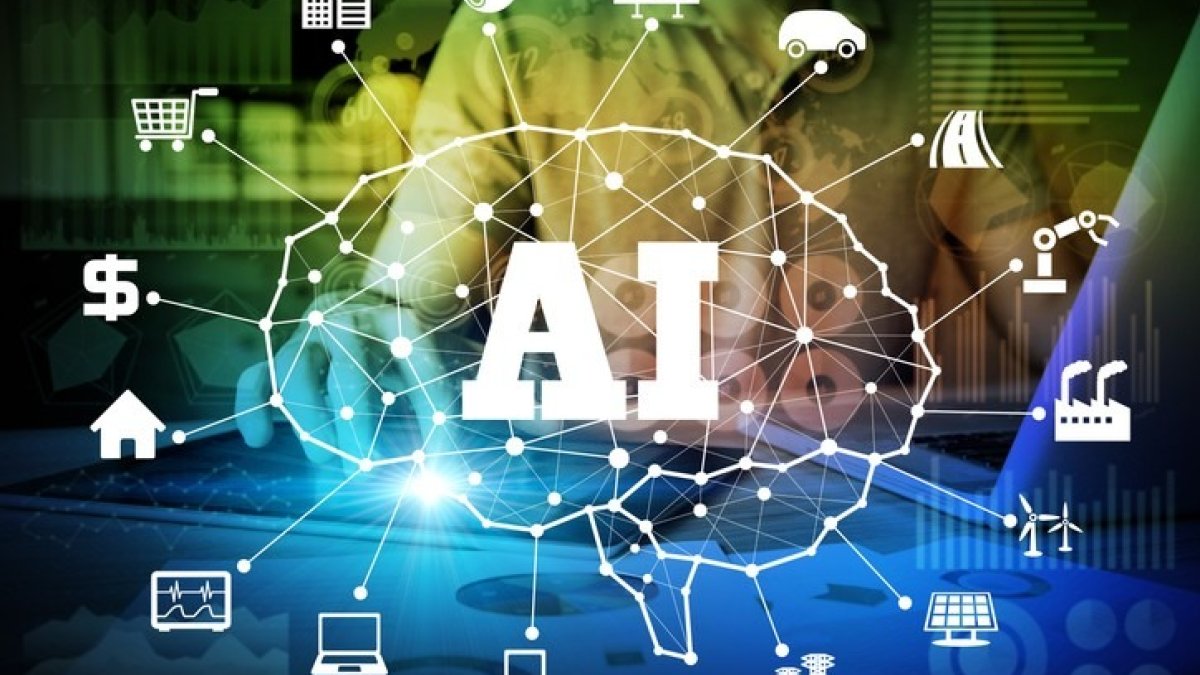
How AI Will Affect Life in the Future
How AI Will Affect Life in the Future
Artificial Intelligence (AI) is no longer a concept confined to science fiction; it is rapidly becoming an integral part of our daily lives. As technology continues to evolve, AI’s impact on society is expected to grow exponentially. Understanding how AI will shape the future is essential for preparing individuals, businesses, and governments to adapt effectively. This article explores the profound ways AI will influence various aspects of life, from work and healthcare to education and social interactions.
The Transformation of Work and Industry
One of the most significant impacts of AI will be on the workforce. Automation and intelligent algorithms are set to redefine how jobs are performed. Routine and repetitive tasks across industries—such as data entry, manufacturing, and customer service—will increasingly be automated, allowing human workers to focus on more complex and creative responsibilities.
- Job Creation and Evolution: While AI may replace some jobs, it will also create new roles that require skills in AI management, data analysis, and machine learning. Employees will need to adapt by acquiring new competencies and embracing lifelong learning.
- Increased Efficiency: AI-driven tools can optimize supply chains, reduce errors, and improve decision-making processes, leading to higher productivity and cost savings.
Revolutionizing Healthcare
AI's contribution to healthcare is poised to be transformative. Powerful AI algorithms can assist in diagnosing diseases more accurately and faster than traditional methods. Predictive analytics can enhance preventative care by identifying health risks early, potentially saving millions of lives.
- Personalized Medicine: AI enables treatments tailored to individual genetic profiles, improving outcomes and minimizing side effects.
- Enhanced Medical Imaging: AI can detect abnormalities in medical scans, aiding radiologists and reducing diagnostic errors.
Changing the Face of Education
Education will also benefit enormously from AI integration. Intelligent tutoring systems can provide personalized learning experiences adapted to each student’s pace and style. This customization can help close learning gaps and increase student engagement.
- Accessible Learning: AI-powered platforms can deliver education globally, breaking down geographical and socioeconomic barriers.
- Teacher Support: Educators can use AI tools to assess students’ progress more efficiently and focus on areas where human interaction is most needed.
Social and Ethical Considerations
As AI becomes more pervasive, ethical challenges and societal changes will arise. Issues such as data privacy, bias in AI algorithms, and the digital divide must be addressed to ensure AI benefits all segments of society equally.
- Bias Mitigation: Developers need to ensure AI systems are transparent and free from discriminatory behaviors.
- Privacy Protection: Safeguarding personal data will remain a critical priority to maintain public trust.
Conclusion
AI technology is set to reshape many facets of life in profound ways. From revolutionizing industries and healthcare to transforming education and raising new ethical considerations, the future with AI holds tremendous promise and challenges. Preparing proactively by embracing new skills, fostering ethical development, and promoting inclusivity will be essential for maximizing AI’s benefits and minimizing its risks. As AI continues to advance, it offers an unprecedented opportunity to enhance human potential and improve quality of life globally.



