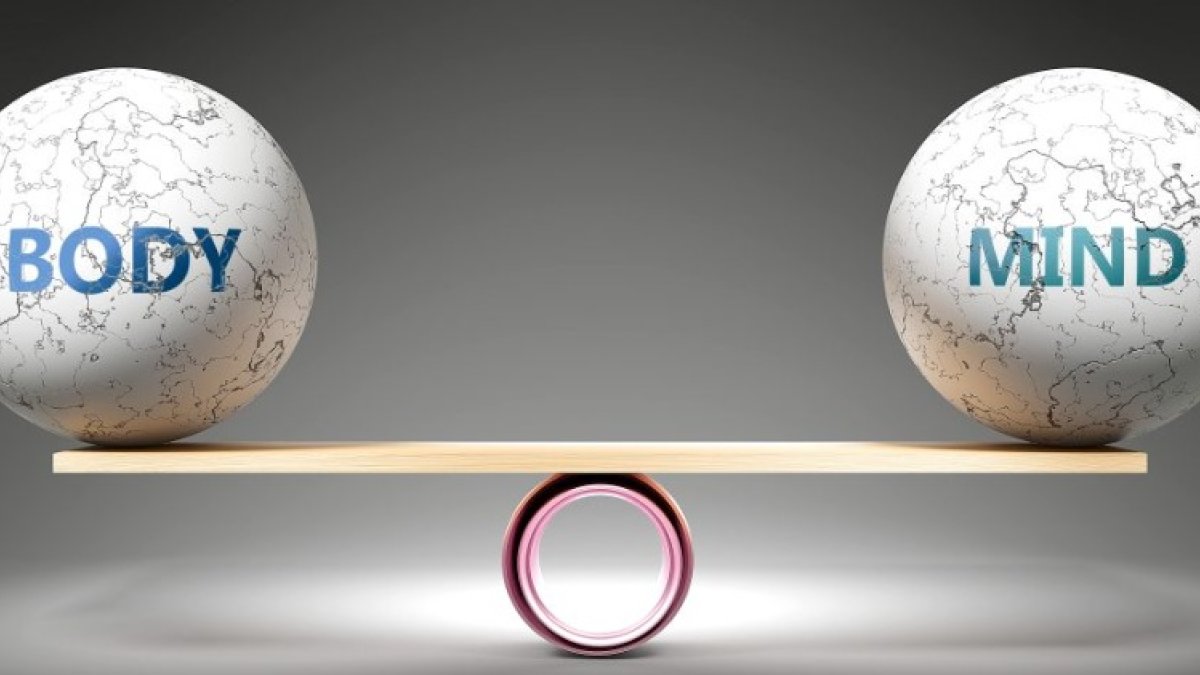
High self-esteem is not just the result of body training.
In a world obsessed with physical perfection, it's easy to assume that a sculpted physique equates to unshakeable self-esteem. We see images of fitness models and athletes, often projecting an aura of confidence and success. While physical fitness undoubtedly contributes to well-being, it's crucial to understand that high self-esteem is far more complex than just the result of body training.
The pursuit of a healthy body is commendable, but reducing self-worth to physical appearance is a dangerous oversimplification. True, lasting self-esteem is built on a foundation of mental and emotional well-being, encompassing various aspects of life. It’s about cultivating a balanced approach that nurtures the mind, body, and spirit, leading to a profound sense of self-acceptance and fulfillment.
The Illusion of Physical Perfection
The gym has become a sanctuary for many, and for good reason. Regular exercise releases endorphins, boosts mood, and improves physical health. However, the pursuit of physical perfection, often fueled by societal pressures and unrealistic beauty standards, can sometimes backfire. Consider the paradox: many individuals with seemingly perfect bodies struggle with low self-esteem, body dysmorphia, and a constant need for external validation.
This reveals a critical truth: physical transformation alone does not guarantee inner peace or self-worth. The focus on outward appearance, without addressing underlying emotional issues, can create a fragile sense of self. When self-esteem is solely dependent on physical attributes, it becomes vulnerable to fluctuations. A bad workout, a change in body composition, or the aging process can erode that foundation, leaving one feeling inadequate.
The Power of a Balanced Approach
The key to genuine self-esteem lies in a holistic approach, a smart balance between mind, body, and achievements. This involves:
- Mental Training: Cultivating a healthy mindset is paramount. This includes practices like mindfulness, meditation, and cognitive behavioral therapy (CBT) to challenge negative thought patterns and build resilience.
- Physical Training: Regular exercise, a balanced diet, and adequate sleep are essential for physical health and well-being. But the motivation should stem from self-care and enjoyment, not solely from a desire to fit a certain mold.
- Achievement and Purpose: Setting meaningful goals and pursuing them with passion provides a sense of accomplishment and purpose. These goals can be in any area of life – career, relationships, hobbies, or personal growth.
By investing in all three areas, one cultivates a sense of wholeness and self-acceptance that transcends physical appearance.
Integrity: The Cornerstone of Self-Esteem
Living in alignment with one's core values is fundamental to building high self-esteem. This involves identifying and prioritizing what truly matters. Perhaps it's family, health, relationships, career, or personal growth. When actions align with these values, it creates a sense of integrity and authenticity, fostering self-respect.
For example, if family is a core value, making time for loved ones, showing support, and being present in their lives reinforces that value and enhances self-esteem. Conversely, neglecting those values, even for external success, can lead to feelings of guilt, regret, and diminished self-worth.
The Trap of Comparison
In the age of social media, the temptation to compare oneself to others is ever-present. This often leads to feelings of inadequacy and self-doubt. The curated images and highlight reels on platforms like Instagram and Facebook create an illusion of perfection, fueling the cycle of comparison.
Breaking free from this trap is crucial. It means focusing on one's own journey, celebrating personal progress, and setting goals based on individual aspirations, not external validation. Exercise and self-improvement should be pursued for the love of the process and the benefits they bring, not for the approval of others.
Building Independence and Self-Belief
Relying on external validation—the praise and approval of others—can be a precarious foundation for self-esteem. It can lead to a constant need to prove oneself and a fear of failure. The ability to validate oneself, to believe in one's own worth and capabilities, is far more empowering.
This involves:
- Self-reflection: Regularly assessing one's strengths, weaknesses, and accomplishments.
- Self-compassion: Treating oneself with kindness and understanding, especially during setbacks.
- Resilience: Learning from failures and viewing them as opportunities for growth.
By cultivating self-belief, one can navigate life's challenges with greater confidence and resilience.
The Power of Discipline and Loyalty
Motivation may be a good starting point, but discipline and loyalty to oneself are key factors in achieving lasting self-esteem. Motivation can be fleeting, dependent on external factors. Discipline, however, is a consistent commitment to actions, regardless of mood or circumstance.
This means setting realistic goals, creating a plan, and consistently working towards them, even when it's difficult. It also involves being loyal to one's values, commitments, and relationships.
Loyalty, especially within family and romantic partnerships, is a cornerstone of a fulfilling life. Showing empathy, prioritizing loved ones, and offering consistent support strengthens relationships and builds a sense of belonging and self-worth.
Love, Respect, and Partnership
Within the context of a loving relationship, love, respect, and support for your partner are essential elements for both individual and mutual fulfillment and in fostering a high self-esteem. A healthy relationship provides a safe space for vulnerability, growth, and mutual encouragement. When partners value and appreciate each other, it reinforces each other's sense of self-worth.
This involves:
- Unconditional Love: Accepting and loving your partner for who they are, flaws and all.
- Mutual Respect: Valuing each other's opinions, boundaries, and individual goals.
- Support: Encouraging and celebrating each other's achievements, while offering comfort and support during challenges.
A supportive and loving partnership contributes significantly to overall well-being and enhances self-esteem.
Conclusion
High self-esteem is not a destination but a journey, a continuous process of self-discovery and growth. While physical fitness plays a role, it's just one piece of the puzzle. True self-esteem is cultivated through a smart balance of mental, physical, and achievement-oriented pursuits. By prioritizing integrity, embracing self-belief, practicing discipline, and nurturing meaningful relationships, we can build a strong and resilient sense of self-worth that withstands the tests of life, leading to a truly fulfilling and happy existence.



